


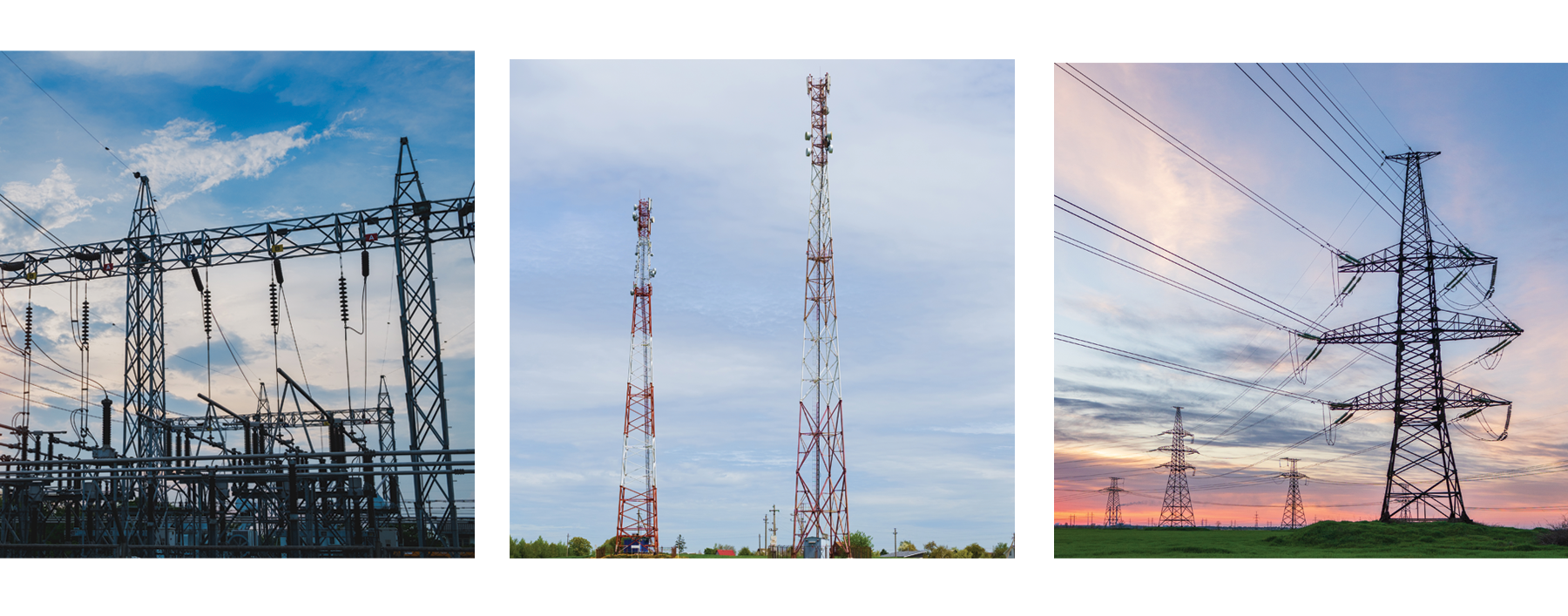
Modern infrastructure depends on two critical yet fundamentally different systems: telecommunication networks and electrical power transmission grids. At the center of these systems stand telecom towers and transmission towers, both essential but engineered for entirely different purposes. Although these structures may appear similar to non-specialists, the technical, structural, and regulatory differences between a telecom tower vs transmission tower are substantial.
Understanding these differences is essential for utilities, EPC contractors, infrastructure developers, and government stakeholders involved in planning, designing, or exporting tower systems.
Functional Purpose and Network Role
Telecom Towers
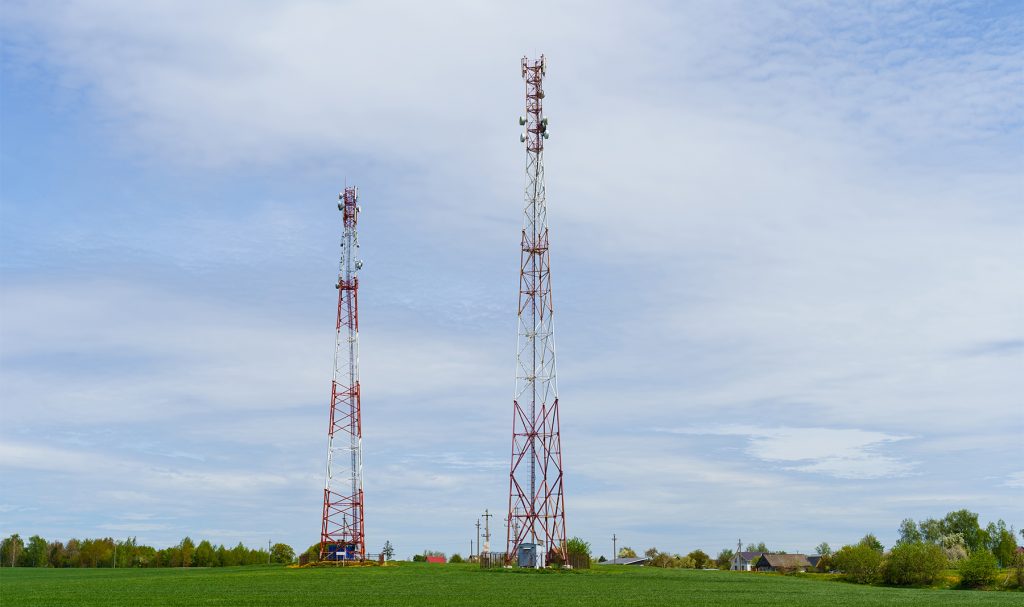
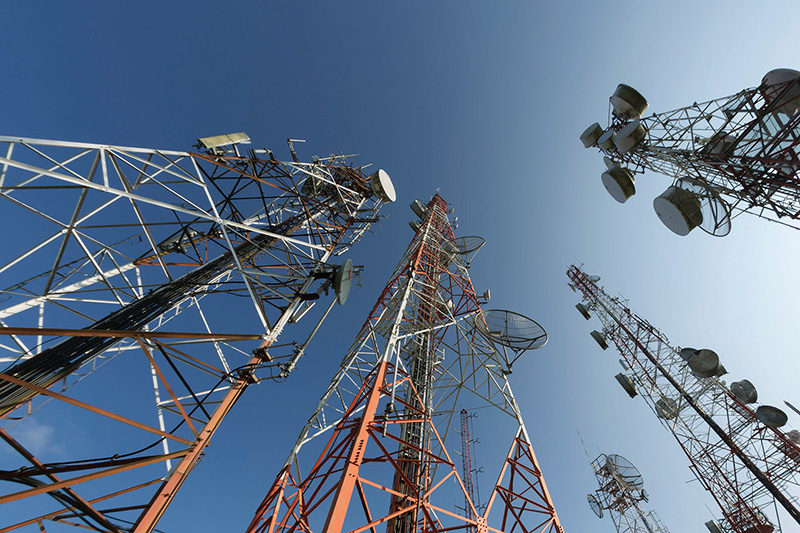
Telecom towers are designed to support communication equipment such as antennas, microwave dishes, and radio transmitters. Their primary function is to enable wireless signal coverage for:
-
Mobile communication networks (2G, 4G, 5G)
-
Data transmission and broadband services
-
Radio and television broadcasting
Telecom towers focus on coverage optimization, signal quality, and network scalability.
Transmission Towers
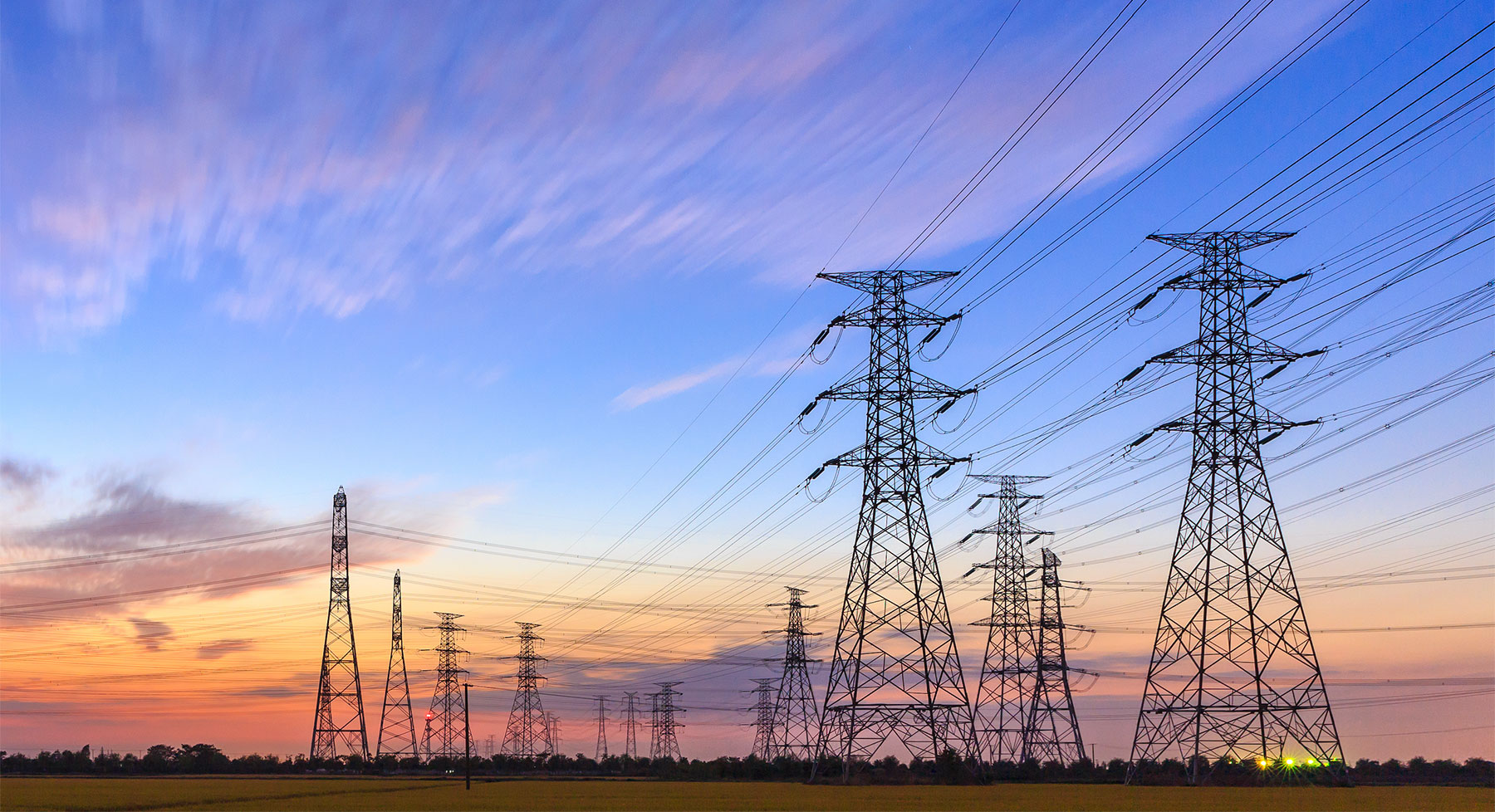
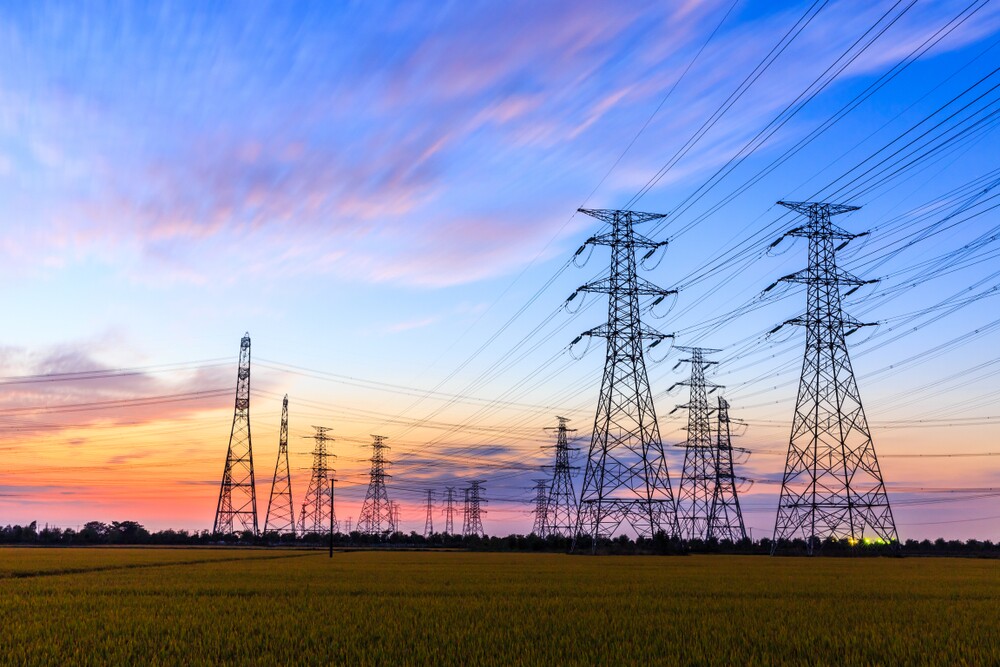
Transmission towers are structural elements of electrical power grids. Their role is to carry overhead conductors and insulators that transmit electricity over long distances at high or extra-high voltage levels.
They are essential for:
-
National and regional power grids
-
Cross-border power interconnections
-
Large-scale energy distribution systems
Structural Configuration and Tower Types
Telecom Tower Structures
Telecom towers are available in multiple configurations, including:
-
Lattice telecom towers
-
Monopole towers
-
Guyed towers
-
Rooftop and camouflaged towers
These designs allow flexibility in urban, suburban, and rural environments where space, aesthetics, and zoning regulations vary.
Transmission Tower Structures
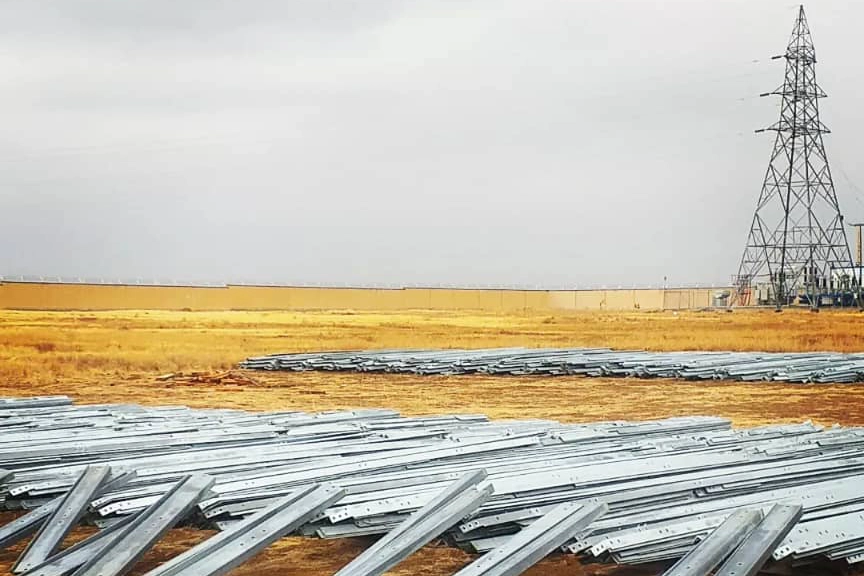
Transmission towers are predominantly steel lattice structures engineered to support:
-
Heavy conductor tension
-
Long span lengths
-
Multiple circuit configurations
Their geometry is optimized for mechanical strength and electrical clearance rather than visual impact.
Load Characteristics and Engineering Complexity
Telecom towers primarily experience:
-
Vertical loads from antennas and platforms
-
Wind loads acting on antennas and tower body
Transmission towers, however, must withstand:
-
High mechanical tension from conductors
-
Longitudinal and transverse loads
-
Ice, wind, and broken conductor scenarios
As a result, transmission tower engineering is generally more complex and requires extensive structural and geotechnical analysis.
Height, Span, and Clearance Requirements
Telecom Towers
Tower height is driven by coverage radius and terrain conditions. Taller structures improve signal propagation but must remain within zoning limits.
Transmission Towers
Height and span are dictated by:
-
Voltage level
-
Terrain profile
-
Required electrical clearances
Transmission towers often require significant height to ensure safety distances between conductors and the ground or nearby structures.
types of power transmission towers
Materials and Corrosion Protection
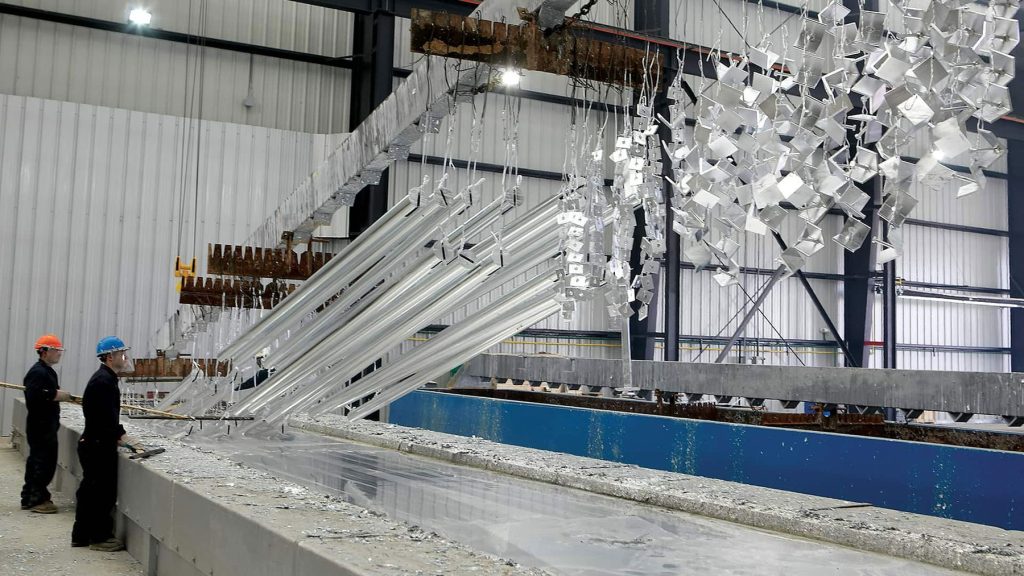
Both tower types are typically manufactured from structural steel; however, transmission towers generally use higher steel tonnage and more robust member sizes. Hot-dip galvanization is critical for both, but transmission towers often require thicker coatings due to harsher operating environments.
Standards, Safety, and Regulatory Compliance
Telecom Towers
Designed according to:
-
Structural wind and seismic standards
-
Telecommunications authority regulations
-
Local zoning and environmental requirements
Transmission Towers
Must comply with:
-
Electrical safety and clearance regulations
-
International power transmission standards (IEC, EN, ASTM)
-
Utility-specific technical specifications
Transmission towers face stricter regulatory oversight due to public safety and grid reliability concerns.
Installation and Maintenance Considerations
Telecom towers are generally:
-
Faster to install
-
Easier to upgrade with additional equipment
-
Less foundation-intensive
Transmission towers require:
-
Heavy foundations
-
Precise alignment for conductor stringing
-
Specialized maintenance procedures
Cost Implications and Lifecycle Considerations
Telecom towers typically involve lower initial material and construction costs but may require frequent upgrades due to evolving communication technology.
Transmission towers involve higher upfront investment but are designed for decades of continuous operation with minimal modification.
Export and Infrastructure Project Perspective
From an export standpoint, telecom towers often require customization based on urban regulations and operator requirements, while transmission towers must be engineered to match national grid codes and environmental conditions.
Manufacturers with experience in both sectors can provide integrated solutions for regional infrastructure development.
steel lattice tower export
Conclusion
The comparison between telecom tower vs transmission tower highlights that while both structures support critical infrastructure, they are fundamentally different in purpose, design, and engineering requirements. Selecting the correct tower type ensures system reliability, safety, and long-term performance.
For detailed technical information about our Telecommunication Towers and Power Transmission Towers, visit the relevant sections of our website or contact our engineering team for professional consultation.