

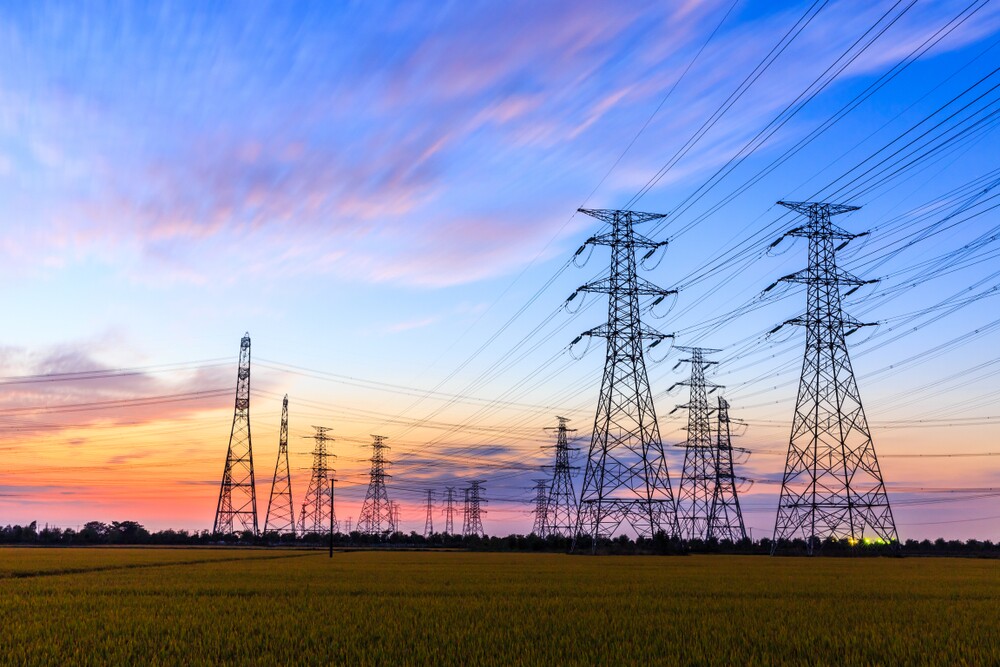
The Middle East continues to invest heavily in power generation and grid expansion to support population growth, industrial development, and cross-border energy exchange. At the core of this infrastructure are high-quality transmission towers designed to carry electricity safely and efficiently over long distances. Choosing a reliable transmission tower manufacturer in the Middle East is therefore a strategic decision for utilities, EPC contractors, and government-led infrastructure projects.
Manufacturers in this region play a vital role in delivering structurally sound, standards-compliant transmission towers adapted to harsh climatic and operational conditions.
The Growing Demand for Transmission Towers in the Middle East
The Middle East is undergoing a significant transformation in its power infrastructure landscape. Rapid urbanization, population growth, industrial expansion, and large-scale energy diversification programs have dramatically increased the demand for reliable electricity transmission systems. As a result, the need for high-quality transmission towers has grown steadily across the region.
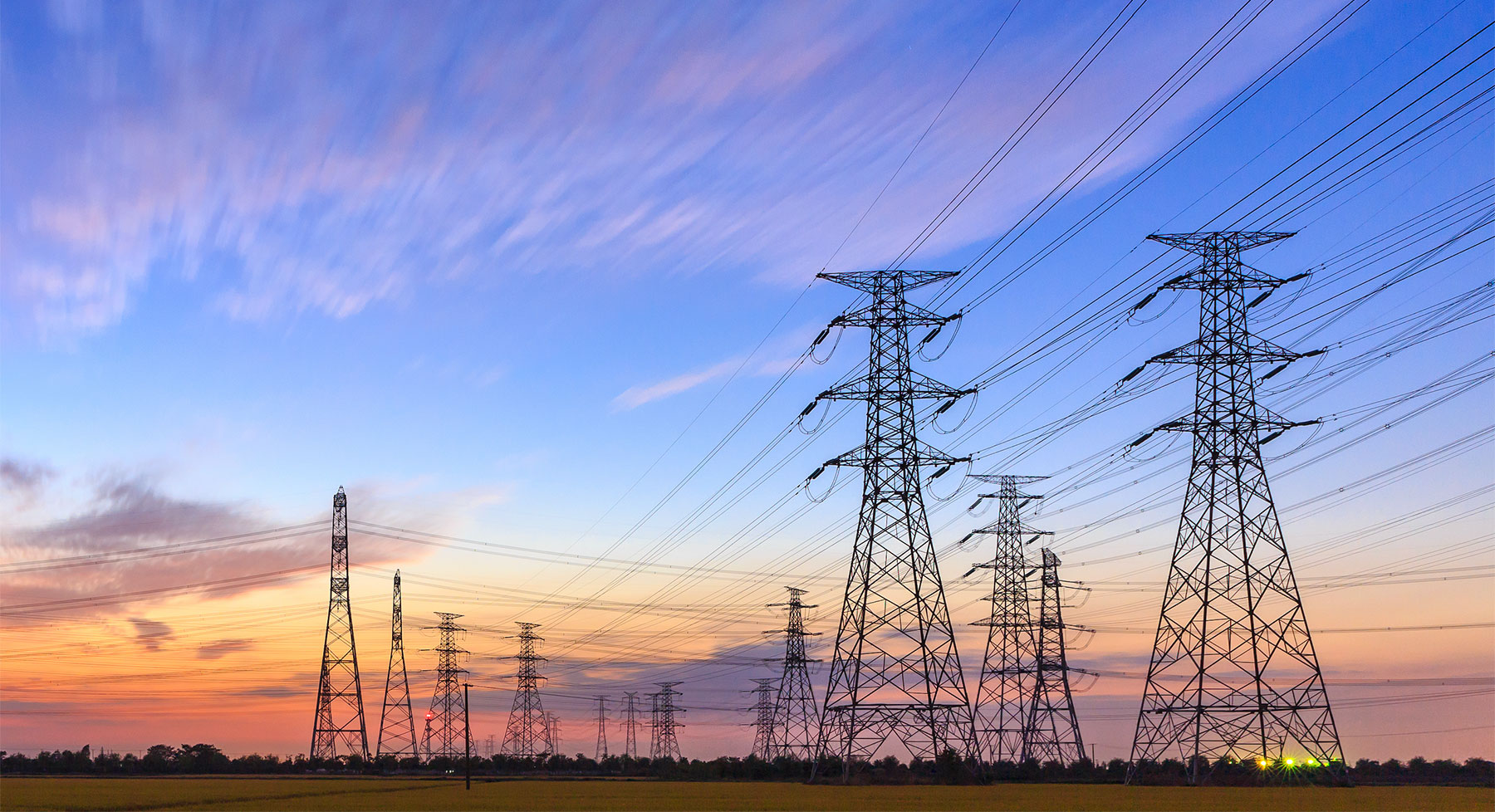
One of the primary drivers of this demand is the expansion of national power grids. Many Middle Eastern countries are investing in new transmission corridors to connect growing urban centers, industrial zones, and remote regions to national grids. These projects require large volumes of high-voltage (HV) and extra-high-voltage (EHV) transmission towers designed for long spans and challenging terrain.
Another major factor is the integration of renewable energy sources, particularly solar and wind power plants. The Middle East has become a global leader in utility-scale renewable energy projects, often located in desert or remote areas far from load centers. Connecting these power plants to the grid requires robust transmission infrastructure capable of operating under extreme environmental conditions.
In addition, cross-border electricity transmission projects are gaining momentum as countries seek to enhance energy security, optimize power generation resources, and support regional energy cooperation. These interconnection projects demand transmission towers engineered to meet diverse technical standards and regulatory requirements.
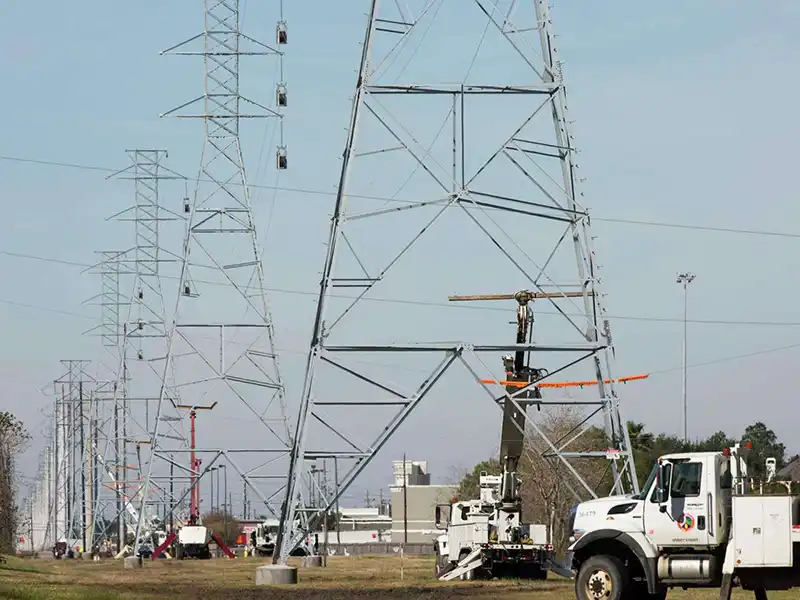
Finally, grid modernization and capacity upgrades are driving the replacement or reinforcement of aging transmission infrastructure. Utilities are upgrading existing lines to higher voltage levels, increasing capacity, and improving system reliability. These initiatives require transmission towers with higher mechanical strength, improved corrosion protection, and long service life.
Together, these developments require manufacturers capable of delivering large volumes of transmission towers with consistent quality, precise engineering, and full compliance with international and regional standards.
Role of a Transmission Tower Manufacturer
A professional transmission tower manufacturer plays a critical role in the successful execution of power transmission projects. Beyond supplying steel structures, the manufacturer acts as a technical partner throughout the project lifecycle.
Key responsibilities include structural and electrical design engineering, where towers are customized based on voltage level, conductor configuration, environmental loads, and terrain conditions. This phase involves detailed analysis to ensure mechanical stability, electrical clearance, and long-term performance.
The manufacturer is also responsible for the fabrication of steel lattice transmission towers, utilizing precision-controlled production processes to ensure dimensional accuracy and structural integrity. Consistency in manufacturing is essential for efficient site assembly and conductor stringing.
Strict compliance with international and utility-specific standards is another critical responsibility. Transmission tower manufacturers must align with technical specifications defined by utilities, consultants, and EPC contractors.
In addition, comprehensive quality control, testing, and documentation are required at every stage of production. This includes material traceability, inspection reports, galvanization records, and final acceptance documentation.
For export-oriented projects, packaging and logistics coordination are also part of the manufacturer’s scope. Towers must be packed, labeled, and shipped in a manner that ensures safe transportation and efficient on-site handling.
Manufacturers serving the Middle East must also design and produce towers that can withstand extreme temperatures, high wind speeds, sandstorms, and corrosion risks, which are common in desert and coastal environments.
Engineering and Manufacturing Capabilities
A qualified transmission tower manufacturer in the Middle East must demonstrate advanced engineering and manufacturing capabilities to meet the region’s demanding project requirements.
Advanced Structural Design
Transmission towers are engineered based on a combination of technical parameters, including voltage level, span length, conductor type, terrain profile, wind and seismic loads, and environmental conditions. Advanced structural analysis and design optimization ensure that towers achieve the required safety margins while minimizing material usage and overall project cost.
Precision Fabrication
High-accuracy cutting, punching, drilling, and assembly processes are essential to ensure proper fit-up during installation. Precision fabrication reduces erection time, minimizes site adjustments, and contributes to long-term structural stability. Modern manufacturing facilities utilize CNC-controlled equipment to maintain consistent quality across large production volumes.
Corrosion Protection
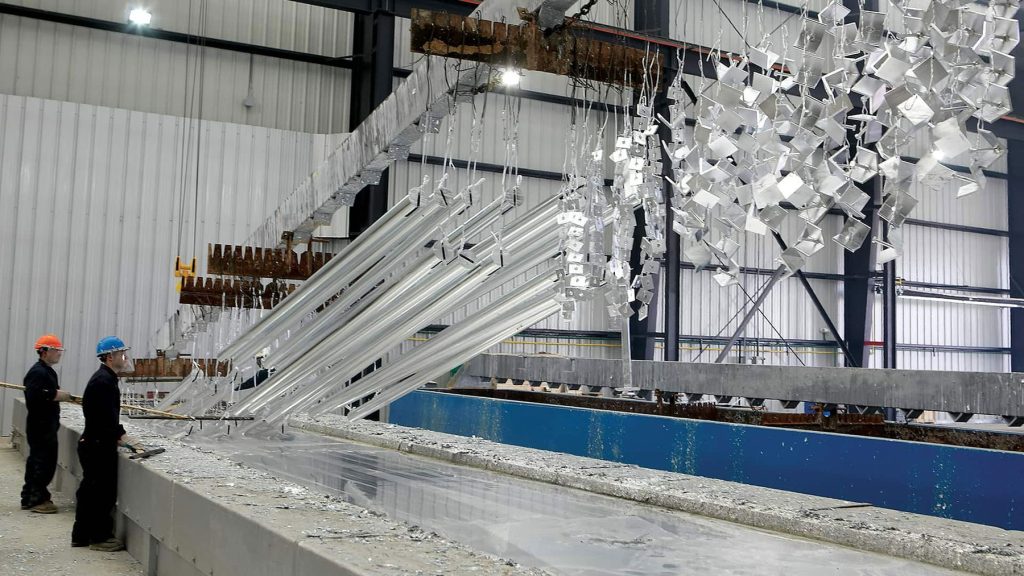
Corrosion protection is a critical consideration for transmission towers operating in harsh Middle Eastern environments. Hot-dip galvanization provides long-term protection against corrosion caused by high humidity, salinity, and temperature fluctuations. Proper galvanization significantly extends the service life of transmission towers and reduces maintenance requirements.
Compliance with International Standards
Transmission towers supplied to projects in the Middle East are typically designed and manufactured in accordance with internationally recognized standards, ensuring safety, reliability, and global acceptance.
Commonly applied standards include:
-
IEC and EN standards for electrical and structural design
-
ISO quality management systems for manufacturing and process control
-
ASTM material specifications for structural steel components
Compliance with these standards ensures that transmission towers meet the expectations of utilities, engineering consultants, and international EPC contractors involved in large-scale infrastructure projects.
Advantages of Regional Manufacturing
Selecting a transmission tower manufacturer located in or actively serving the Middle East offers several strategic advantages. Regional manufacturing enables shorter lead times and reduced logistics complexity, which is critical for large-scale and time-sensitive projects.
Manufacturers with regional experience also possess a strong understanding of local grid codes, technical specifications, and regulatory frameworks, enabling smoother project coordination and approval processes.
Additionally, regional manufacturers can offer competitive production costs while maintaining international quality standards. Proximity to major energy infrastructure projects allows for more responsive technical support and improved communication throughout the project lifecycle.
Turkey, in particular, has emerged as a strategic manufacturing hub for power transmission infrastructure, combining advanced industrial capabilities with geographical proximity to Middle Eastern markets.
Towerist as a Transmission Tower Manufacturer Serving the Middle East
Towerist is an experienced transmission tower manufacturer serving the Middle East, delivering steel lattice transmission towers for a wide range of regional power infrastructure projects. With proven export experience to Iraq, Afghanistan, Armenia, and Iran, Towerist supports national grid expansion and modernization initiatives across the region.
The company’s product portfolio includes a comprehensive range of lattice transmission towers designed for high-voltage and extra-high-voltage applications. All products are manufactured under strict quality control systems, ensuring compliance with international standards and project-specific requirements.
types of power transmission towers
Applications of Transmission Towers in the Region
Transmission towers supplied to Middle Eastern markets are widely used in:
-
High-voltage (HV) and extra-high-voltage (EHV) power lines
-
Renewable energy grid connections, including solar and wind projects
-
National transmission corridors linking power generation and consumption centers
-
Cross-border power interconnection projects
Each application requires customized engineering solutions, careful material selection, and full adherence to local and international standards to ensure reliable and long-term operation.
As energy infrastructure continues to expand, selecting a trusted transmission tower manufacturer in the Middle East is essential for ensuring grid reliability, safety, and long-term performance. Manufacturers with proven engineering expertise, export experience, and regional understanding play a critical role in supporting sustainable power transmission projects.
For detailed technical specifications and export inquiries, contact our team to discuss your transmission tower requirements.