

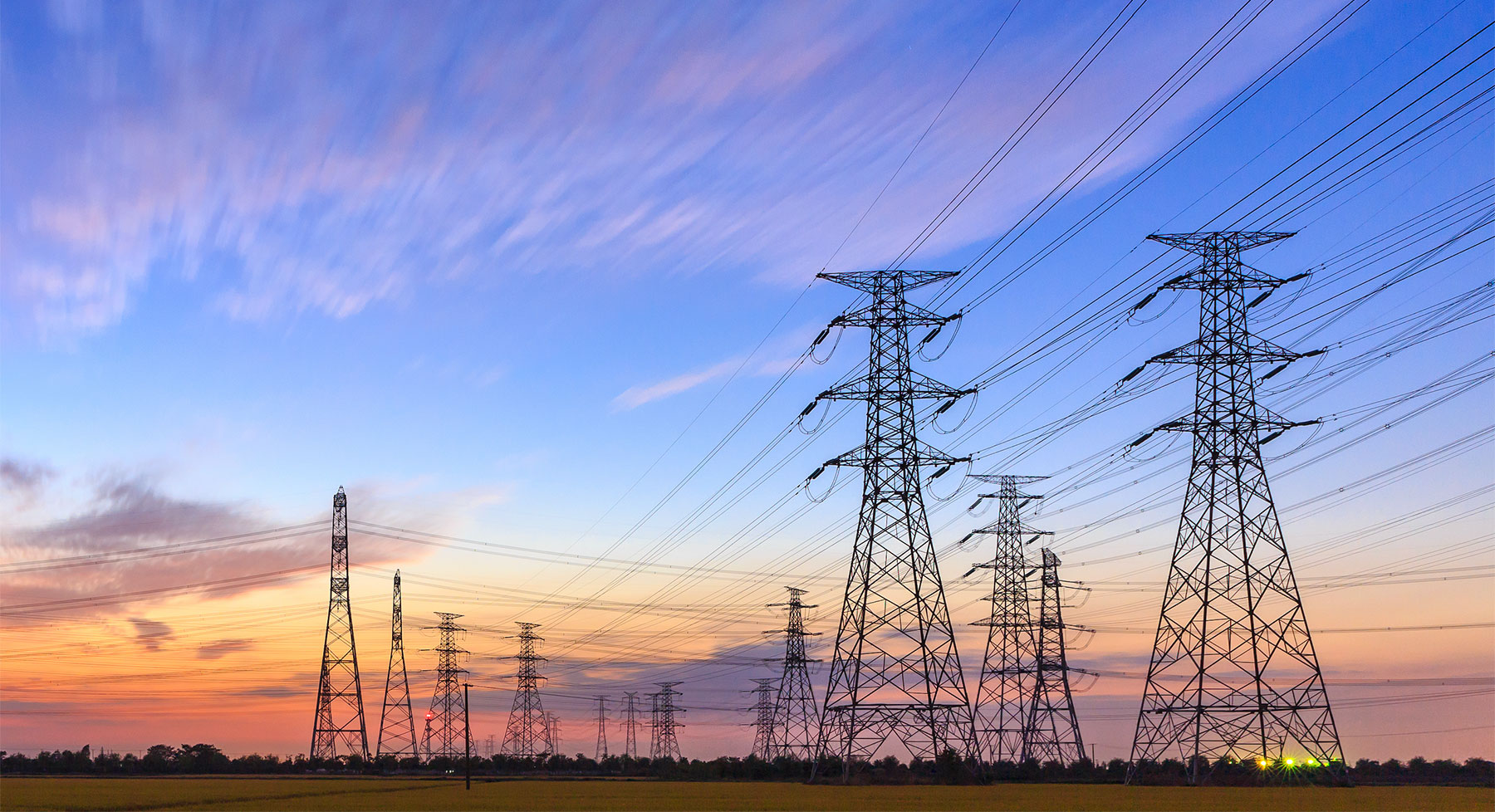

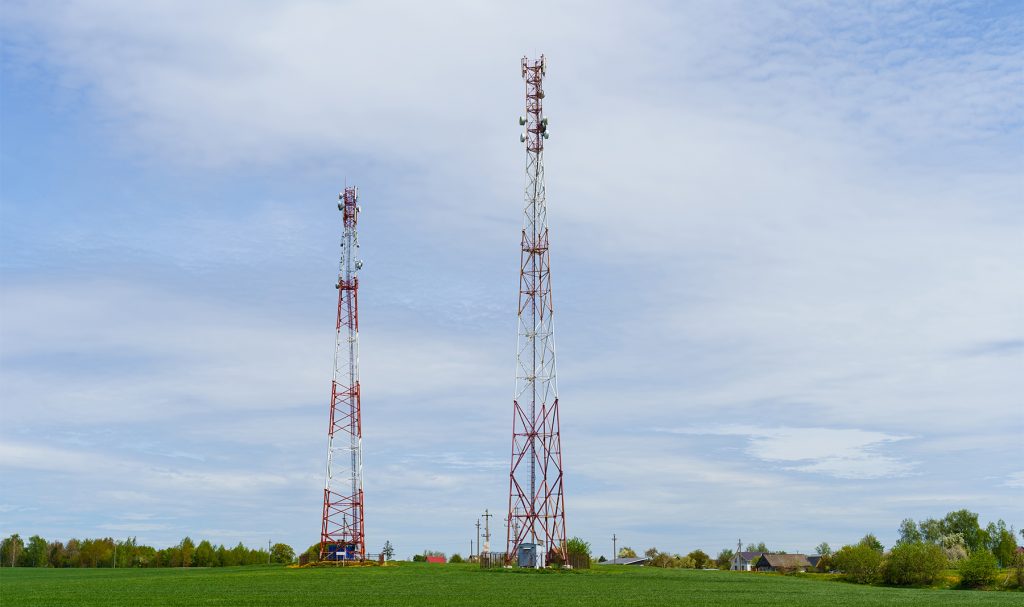
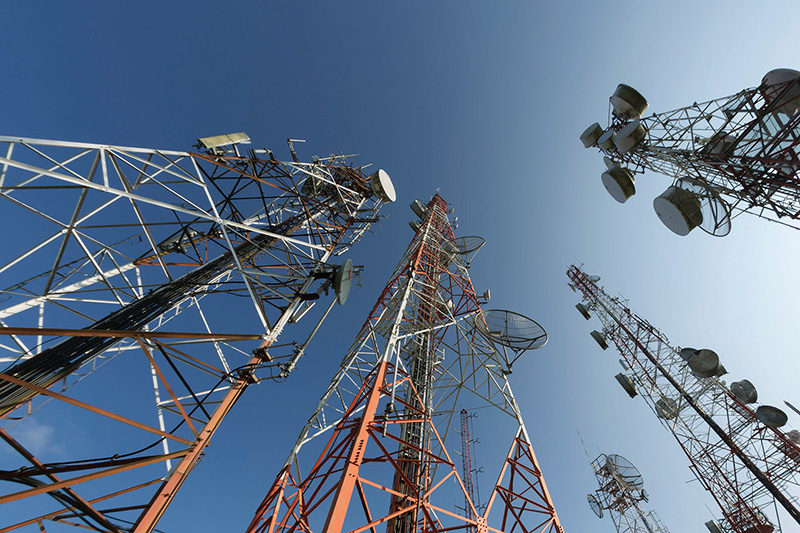
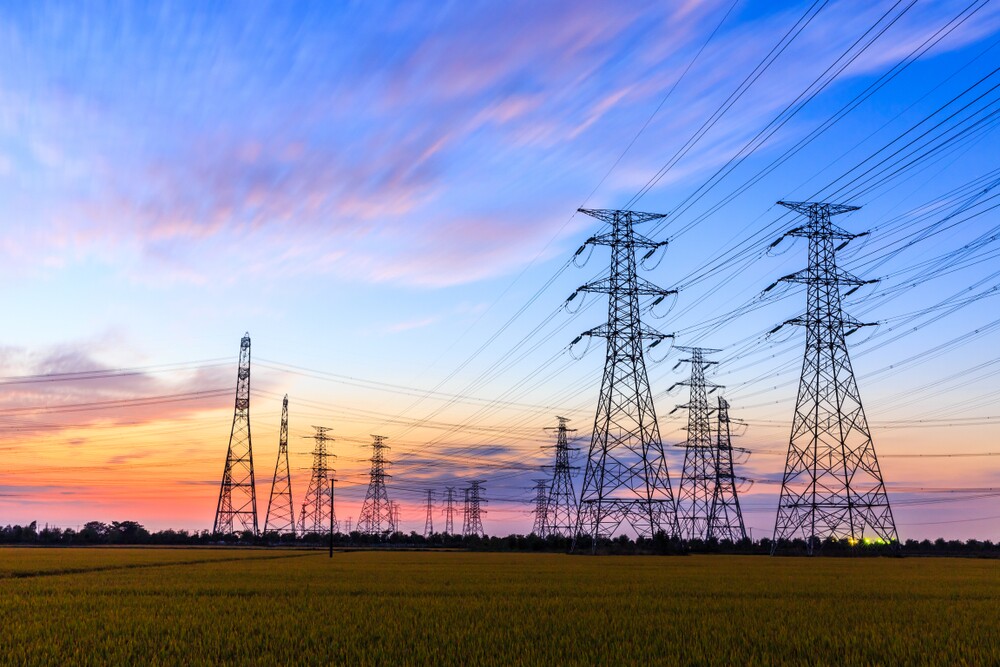
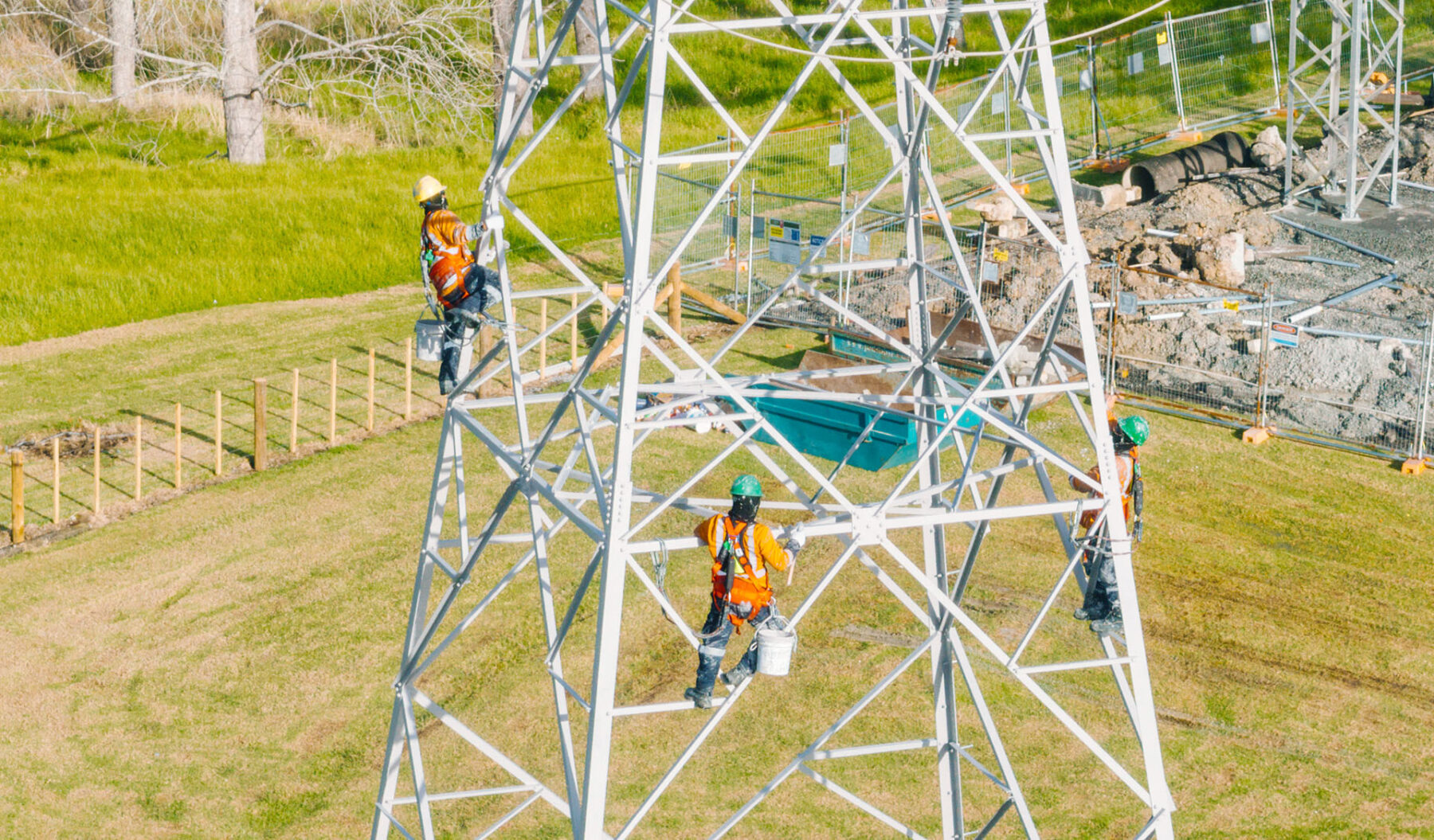
Steel lattice towers are among the most widely used structures in power transmission and telecommunication networks worldwide. Their proven performance, structural efficiency, and adaptability make them a preferred solution for large-scale infrastructure projects. Despite the emergence of alternative tower types, lattice towers continue to play a critical role in modern energy and communication systems.
This article explores the key advantages of lattice towers and explains why they remain a reliable choice for utilities, EPC contractors, and infrastructure developers.
High Structural Strength and Load Efficiency
One of the primary advantages of lattice towers is their excellent strength-to-weight ratio. The triangulated steel framework efficiently distributes loads across the structure, enabling the tower to withstand:
-
High wind loads
-
Heavy conductor tension in transmission lines
-
Multiple antenna and equipment loads in telecom applications
-
Long-term mechanical stress and fatigue
This structural efficiency makes lattice towers particularly suitable for high-voltage (HV) and extra-high-voltage (EHV) transmission systems.
Cost-Effective Manufacturing and Lifecycle Performance
Compared to tubular or solid steel structures, lattice towers require less material to achieve the same structural performance. This results in:
-
Lower raw material consumption
-
Reduced manufacturing and transportation costs
-
Economical solutions for long-distance transmission corridors
Over their operational lifetime, lattice towers offer lower maintenance and replacement costs, making them a cost-effective choice for infrastructure projects.
Design Flexibility and Custom Engineering
Steel lattice towers can be customized to meet a wide range of technical requirements, including:
-
Voltage level and conductor configuration
-
Span length and terrain profile
-
Environmental conditions such as wind, seismic activity, and temperature
-
Telecom antenna layout and future expansion needs
This flexibility allows engineers to optimize tower designs for specific project constraints while maintaining safety and performance standards.
Ease of Transportation and Installation
Lattice towers are typically manufactured as bolted steel components, which allows:
-
Compact packaging for export shipments
-
Easier transportation to remote or difficult-to-access sites
-
Faster on-site assembly and erection
These advantages are especially important for projects located in mountainous regions, deserts, or areas with limited infrastructure access.
Durability in Harsh Environmental Conditions
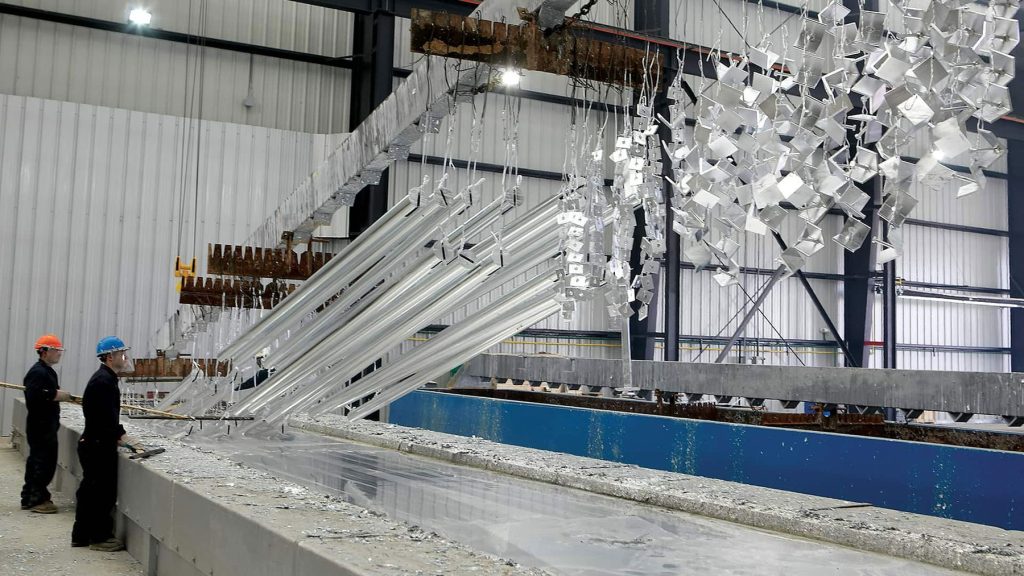
With proper hot-dip galvanization, steel lattice towers provide excellent corrosion resistance and long service life in:
-
Desert and high-temperature environments
-
Coastal and high-humidity regions
-
Industrial or polluted areas
This durability ensures reliable operation and reduced maintenance requirements over decades
Wide Range of Applications
Due to their versatility, lattice towers are widely used in:
-
Power transmission and distribution networks
-
Telecom and broadcasting infrastructure
-
Renewable energy grid connections
-
Cross-border and long-distance transmission projects
Their adaptability allows them to support both current network demands and future system upgrades.
global power transmission infrastructure
Steel Lattice Towers for Modern Infrastructure Projects
At Towerist, we design and manufacture steel lattice towers for power transmission and telecommunication applications. Our engineering-driven approach ensures that each tower is optimized for structural performance, environmental conditions, and international compliance requirements.
🔗 Explore Towerist steel lattice tower solutions:
https://tower-ist.com/steel-lattice-tower-supplier/