






Telecommunication and power infrastructure projects require reliable, durable, and cost-effective tower structures. Two of the most common tower types are monopole towers and lattice towers. While both serve similar purposes in supporting antennas, transmission lines, and communication equipment, they differ significantly in design, structural performance, footprint, cost, and deployment scenarios.
This article provides a comprehensive comparison between monopole and lattice towers, highlighting their applications, advantages, limitations, and key considerations for selecting the right tower type.
What Is a Monopole Tower?
A monopole tower is a single tubular steel structure designed to support telecom or low-to-medium voltage transmission equipment. Typical characteristics include:
-
Height range: 15–60 meters
-
Diameter tapering from base to top
-
Prefabricated segments bolted on-site
-
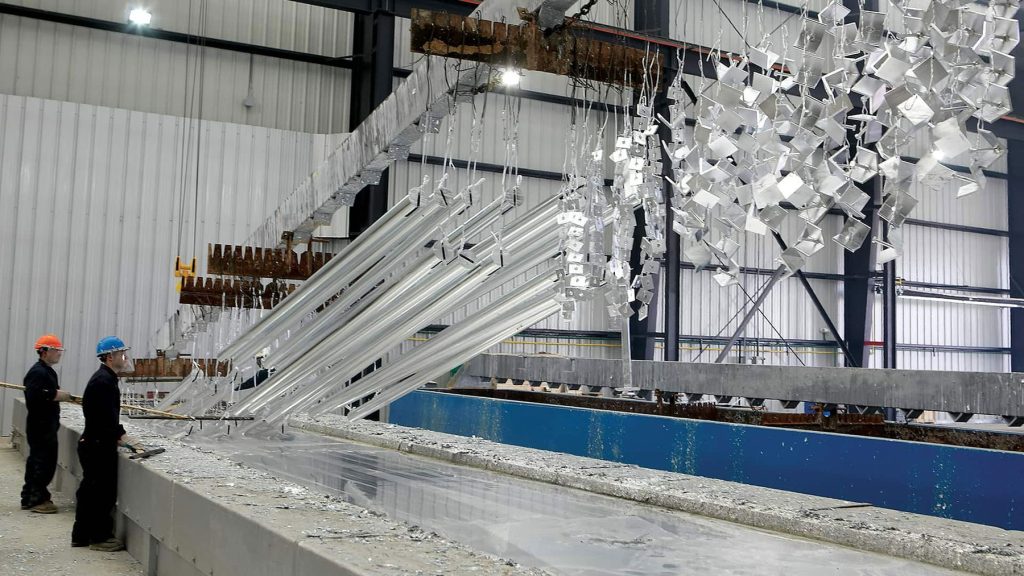
Hot-dip galvanized steel for corrosion protection
Applications:
-
Urban and suburban mobile coverage
-
Rooftop installations
-
Small-cell and 5G densification
-
Industrial communication networks
-
Smart city IoT devices
Monopole towers are ideal when land availability is limited and a low visual impact is desired.
What Is a Lattice Tower?
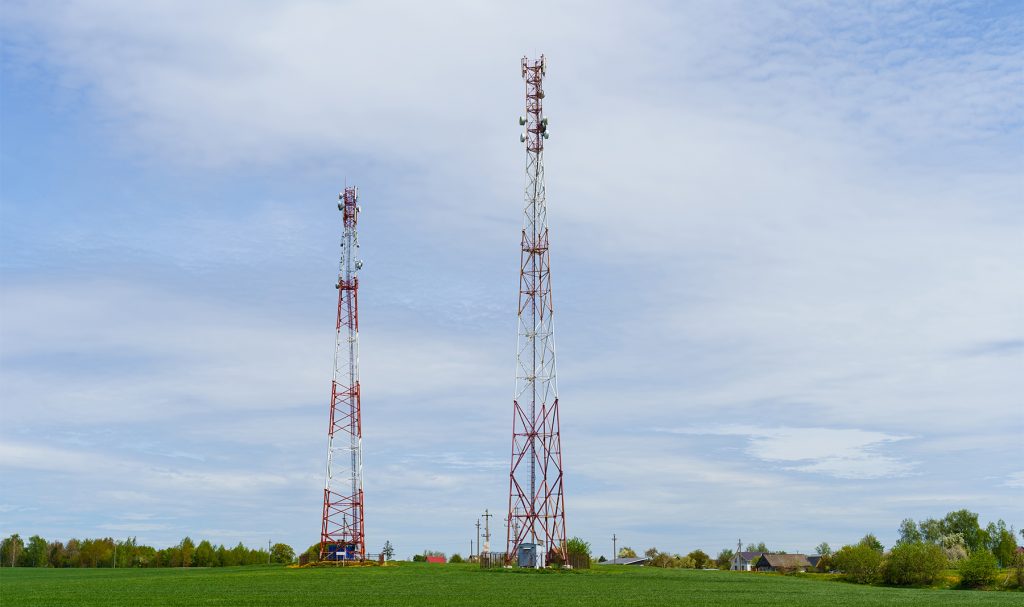
A lattice tower is a framework of steel members arranged in a triangulated pattern. It can support heavier loads and higher voltage transmission lines.
Characteristics:
-
Height range: 20–100+ meters
-
Triangulated steel members for high structural efficiency
-
Larger footprint compared to monopoles
-
Hot-dip galvanized for corrosion resistance
Applications:
-
High-voltage power transmission
-
Large telecom sites
-
Cross-border and rural coverage
-
Broadcast and microwave networks
Lattice towers are suited for projects requiring high load capacity and long-term durability.
Structural Comparison
| Feature | Monopole Tower | Lattice Tower |
|---|---|---|
| Structure | Single tubular steel pole | Triangulated steel framework |
| Footprint | Minimal | Large |
| Load Capacity | Moderate | High (supports heavy antennas & HV conductors) |
| Height | Up to 60 m (commonly) | Up to 100+ m |
| Aesthetic | Slim, low visual impact | Bulkier, industrial look |
| Maintenance | Low | Moderate to high |
| Installation Time | Fast | Slower (requires more assembly) |
Applications Comparison
Monopole Towers
-
Urban deployment: minimal land usage, suitable for streets and commercial areas
-
Rooftop installations: supports antennas without occupying ground space
-
Small cell and 5G densification: rapid deployment for dense network coverage
-
Industrial sites: compact and easy-to-install for private networks
Lattice Towers
-
High-voltage transmission lines: supports conductors across long spans
-
Large telecom towers: multiple antennas for multi-operator sites
-
Rural and cross-border coverage: capable of withstanding extreme loads and environments
-
Broadcast and microwave networks: accommodates heavier equipment
Advantages and Limitations
Monopole Tower Advantages
-
Small footprint for dense urban areas
-
Fast installation with prefabricated sections
-
Lower visual impact
-
Reduced civil works requirements
-
Flexibility for rooftop and urban deployments
Limitations:
-
Lower load capacity
-
Height limited compared to lattice towers
-
Less suitable for HV transmission lines
Lattice Tower Advantages
-
High structural strength
-
Supports multiple operators and heavy equipment
-
Can span long distances and extreme terrains
-
Long-term durability
-
Suitable for both power and telecom applications
Limitations:
-
Large footprint, land-intensive
-
Slower assembly and higher transportation costs
-
Visual impact may be undesirable in urban areas
Cost Considerations
-
Monopole towers may require more steel per meter but save cost on land acquisition, civil works, and urban installation.
-
Lattice towers have lower steel usage per unit height but higher installation and land costs.
-
Lifecycle costs depend on deployment scenario, maintenance, and expansion potential.
Environmental and Site Considerations
-
Urban Areas: Monopole towers preferred for minimal footprint and aesthetics.
-
Rural Areas: Lattice towers ideal for long spans and high-load requirements.
-
Harsh Climates: Both types require corrosion protection; lattice towers may need more robust foundations.
-
Seismic Zones: Structural design and load distribution differ; lattice towers can offer higher resistance if engineered correctly.
Engineering and Design Considerations
-
Load Analysis: Evaluate wind, antenna, and equipment loads.
-
Foundation Design: Monopoles use smaller foundations; lattice towers require larger spread footings.
-
Corrosion Protection: Hot-dip galvanization is standard.
-
Future Expansion: Consider additional antennas or operators.
-
Regulatory Compliance: IEC, ISO, and local standards must be followed.
-
Accessibility: Lattice towers may require climbing systems; monopoles often have internal ladders.
Case Studies / References
1. Urban 5G Deployments: Cities worldwide use monopole towers to densify networks without consuming valuable urban space.
2. High-Voltage Transmission Lines: Lattice towers continue to dominate power infrastructure projects in the Middle East, Europe, and North America due to their structural capacity.
References for Further Reading:
Selection Criteria: When to Choose Monopole vs Lattice
| Scenario | Recommended Tower Type |
|---|---|
| Urban area, limited land | Monopole |
| Rooftop or building-mounted | Monopole |
| High-voltage power transmission | Lattice |
| Heavy multi-operator telecom sites | Lattice |
| Long rural spans | Lattice |
| Rapid deployment needed | Monopole |
Conclusion
Both monopole and lattice towers are essential in modern communication and power infrastructure. Monopoles are ideal for urban, suburban, industrial, and rooftop applications where space is limited and visual impact matters. Lattice towers are preferred for high-load, long-span, and rural deployments that require maximum durability and structural capacity.
Understanding the differences, advantages, and limitations of each type is critical for infrastructure planners, EPC contractors, and network operators to select the optimal solution for each project.