




The fabrication of telecom towers is a critical step in the infrastructure lifecycle, determining the safety, durability, and reliability of communication networks. Whether for monopole, lattice, or self-supporting towers, a well-organized fabrication process ensures that towers meet international standards and withstand environmental challenges.
This article provides a comprehensive guide to the telecom tower fabrication process, including design, material selection, steel processing, assembly, quality control, and preparation for transportation and deployment.
1. Design and Engineering
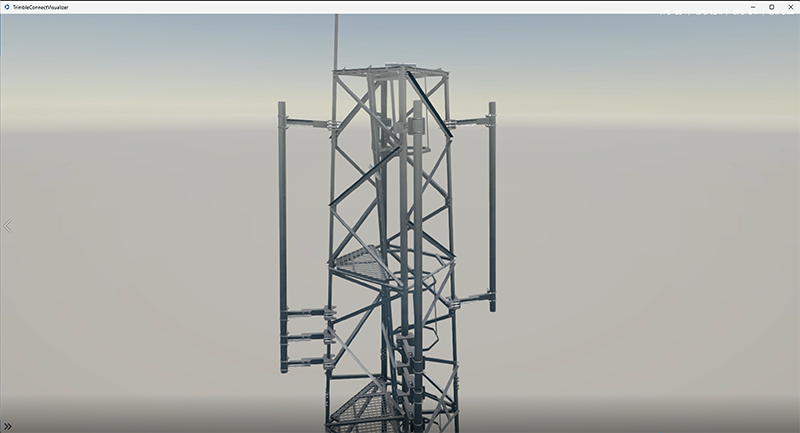
The fabrication process starts with detailed structural and electrical design. Key considerations include:
-
Tower type (monopole, lattice, self-supporting)
-
Height and load requirements
-
Antenna configuration and capacity
-
Wind load, seismic conditions, and environmental factors
-
Compliance with IEC, ISO, and local utility standards
Modern design tools, such as CAD and structural analysis software, are used to optimize material usage, cost, and safety.
2. Material Selection
High-quality steel is essential for telecom tower fabrication. Selection criteria include:
-
Steel grade and tensile strength
-
Corrosion resistance (for galvanization)
-
Compatibility with structural loads
-
Durability for long-term outdoor exposure
Hot-dip galvanized steel is the standard choice for most telecom towers, ensuring 25–40 years of service life.
3. Steel Processing
Once materials are selected, the steel components undergo precise processing:
-
Cutting steel members to exact lengths
-
Drilling bolt holes for assembly
-
Forming tubular sections (for monopoles)
-
Surface preparation for galvanization
Precision during this stage is critical to ensure proper fit-up during tower assembly.
4. Fabrication and Assembly
The next step involves assembling steel members according to design specifications:
-
Lattice towers: Triangular frameworks are pre-assembled in segments
-
Monopole towers: Tubular sections are welded or bolted into segments
-
Base plates, flanges, and bolts are prepared for on-site installation
Assembly at the fabrication yard allows inspection and quality control before shipping.
5. Surface Treatment and Corrosion Protection
Telecom towers are exposed to harsh environments. Standard protection methods include:
-
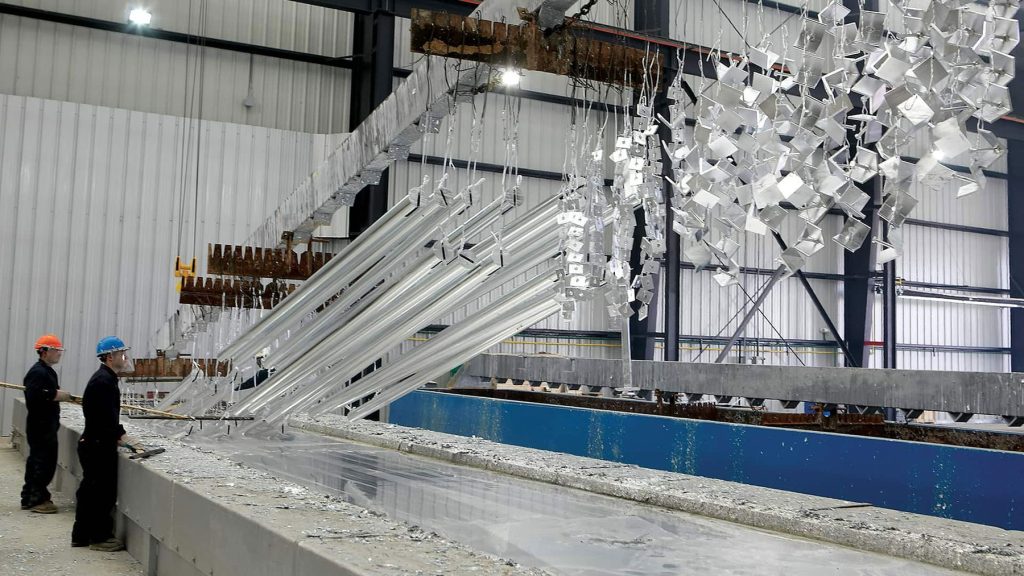
Hot-dip galvanization for full corrosion protection
-
Protective coatings for additional durability
-
Inspection for coating thickness and uniformity
Proper surface treatment extends tower longevity and ensures compliance with standards.
6. Quality Control and Testing
Fabrication quality is verified through strict inspection protocols:
-
Dimensional accuracy
-
Bolt alignment and hole positions
-
Weld quality (if applicable)
-
Galvanization and coating inspection
-
Load testing for critical tower components
This step ensures the tower meets engineering specifications and safety requirements.
7. Packaging and Transportation Preparation
After fabrication, towers are prepared for shipping:
-
Segmenting for transport (especially for lattice towers)
-
Labeling and protective wrapping of components
-
Loading onto trucks or trailers
-
Coordinating logistics for domestic or international delivery
Efficient packaging prevents damage during transport and reduces assembly time on-site.
8. Installation Readiness
The final fabrication step ensures that towers are ready for on-site assembly:
-
Checking all bolts, nuts, and hardware
-
Providing detailed assembly drawings and manuals
-
Preparing foundation attachment components
A well-prepared tower reduces installation time and minimizes the risk of errors.
Conclusion
The telecom tower fabrication process is a meticulous combination of design, material selection, steel processing, assembly, corrosion protection, and quality control.
By following a structured fabrication workflow, manufacturers like Towerist ensure that every tower—whether monopole, lattice, or self-supporting—is safe, durable, and ready for deployment in challenging urban, suburban, or rural environments.
High-quality fabrication supports long-term network reliability, reduces maintenance costs, and ensures that telecom infrastructure projects are completed efficiently and safely.