





The rapid growth of mobile communication, data consumption, and smart infrastructure has dramatically increased demand for efficient telecom tower solutions. Among different tower structures, monopole telecom towers have become one of the most widely adopted solutions, especially in urban and semi-urban environments.
Telecom operators today must balance performance, cost efficiency, speed of deployment, and visual impact. Monopole towers address these needs by providing reliable antenna support with minimal land requirement and faster construction timelines.
This article provides a comprehensive overview of monopole telecom tower uses, including applications, design considerations, deployment benefits, and the role these structures play in modern telecom networks.
Understanding Monopole Telecom Towers
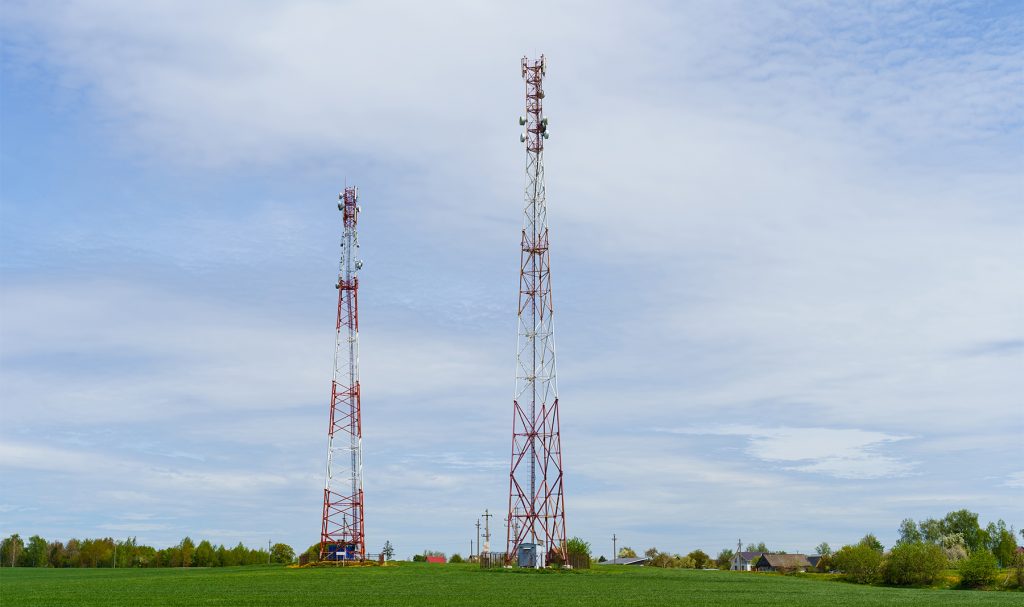
A monopole telecom tower is a single tubular steel structure designed to support telecom antennas, microwave equipment, and communication devices. Unlike lattice towers that use multiple steel members forming a framework, monopoles rely on a single, strong pole structure.
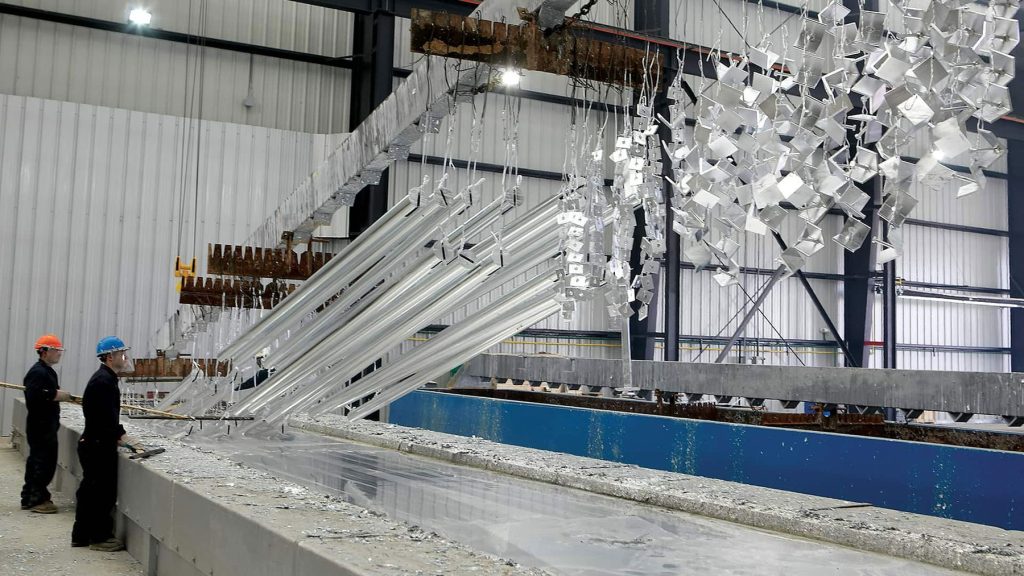
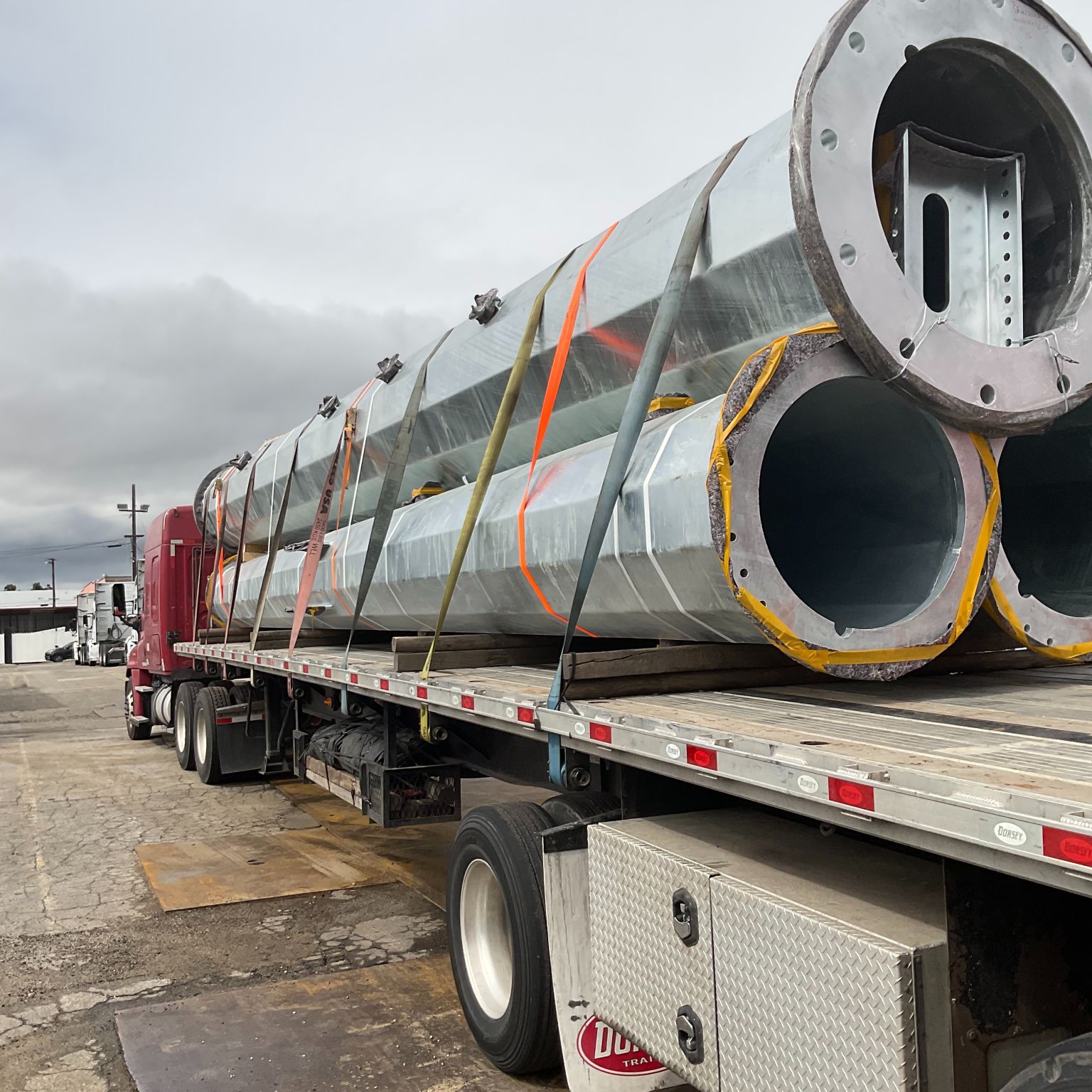
Monopoles are typically constructed in tapered steel sections assembled on site and protected using hot-dip galvanization to resist corrosion.
Common characteristics include:
-
Height range: 15–60 meters (sometimes higher)
-
Small ground footprint
-
Circular or polygonal steel cross-sections
-
Internal cable routing options
-
Ability to carry multiple antenna systems
Because of their slim profile, monopole towers are often preferred where large structures are impractical.
For larger network coverage projects, explore our power transmission tower solutions.
Key Uses of Monopole Telecom Towers
Monopole telecom towers are used in a variety of deployment environments where space efficiency and quick installation are important.
1. Urban Cellular Network Coverage
Cities face constant challenges in expanding network coverage due to land limitations and zoning restrictions.
Monopole towers are widely used in:
-
Dense residential areas
-
Commercial districts
-
City outskirts
-
Urban redevelopment zones
-
Municipal infrastructure sites
Their small footprint allows installation in narrow spaces, parking areas, and roadside locations.
Municipal authorities also favor monopoles due to reduced visual impact compared to lattice towers.
2. 4G and 5G Network Expansion Projects
Modern mobile networks require higher tower density to deliver fast data speeds and low latency.
Monopole towers are ideal for:
-
New base station deployment
-
Network densification
-
Coverage improvement in congested areas
-
Small cell aggregation support
5G networks especially require many new tower sites, and monopoles allow faster deployment compared to large tower constructions.
Learn more about different types of telecom towers used in communication infrastructure.
3. Highway and Transportation Communication Networks
Continuous mobile coverage along transportation routes is critical for safety and connectivity.
Monopoles are commonly installed along:
-
National highways
-
Motorways
-
Railway lines
-
Metro systems
-
Airport access corridors
Their installation requires minimal land acquisition, making them practical along transportation routes.
4. Rooftop Telecom Installations
In urban environments, rooftop solutions are widely used where ground space is unavailable.
Monopole rooftop towers support:
-
Cellular antennas
-
Microwave backhaul systems
-
Repeaters and boosters
-
Wireless broadband equipment
Rooftop monopoles help expand coverage without building new ground infrastructure.
5. Industrial and Energy Facilities
Private industrial communication networks require reliable tower support structures.
Monopole towers are deployed in:
-
Factories
-
Oil & gas facilities
-
Power plants
-
Mining operations
-
Ports and logistics centers
Industrial monopoles enable secure communication networks and monitoring systems.
6. Suburban and Semi-Urban Coverage
Expanding cities often develop suburban areas where infrastructure must grow quickly.
Monopole towers provide coverage in:
-
Residential expansions
-
New housing developments
-
Growing townships
-
Suburban commercial zones
They offer good coverage while maintaining acceptable visual impact.
Contact our engineering team for customized telecom tower manufacturing solutions.
7. Smart City Infrastructure Deployment
Smart cities depend heavily on communication networks for data collection and service management.
Monopoles can support equipment such as:
-
Traffic monitoring cameras
-
Environmental sensors
-
Smart lighting systems
-
Emergency communication networks
-
Public Wi-Fi systems
Their design can even integrate lighting poles or surveillance systems.
Technical Advantages of Monopole Towers
The popularity of monopole towers stems from multiple engineering and operational benefits.
Reduced Land Requirement
Monopoles occupy significantly less land, reducing acquisition costs.
Faster Construction
Pre-fabricated sections reduce site construction time.
Lower Visual Impact
Monopoles blend better with urban surroundings.
Simplified Maintenance
Fewer structural members reduce inspection complexity.
Efficient Urban Deployment
Cost savings arise from reduced civil works and permitting challenges.
Engineering Design Considerations
Designing monopole telecom towers involves careful engineering analysis.
Key considerations include:
Structural Loading
Design must account for:
-
Wind load
-
Antenna weight
-
Equipment loading
-
Future expansions
-
Seismic conditions
Foundation Engineering
Foundation design depends on soil conditions and tower height.
Antenna Configuration
Engineers must consider:
-
Number of operators
-
Sector loading
-
Future tenant additions
Cable Management
Internal cable routing improves aesthetics and protection.
Installation Process Overview
Typical monopole tower installation includes:
-
Site preparation
-
Foundation construction
-
Tower section assembly
-
Antenna installation
-
Equipment integration
-
Testing and commissioning
Installation time is typically shorter than lattice towers.
Maintenance and Lifecycle Performance
Monopole towers require periodic inspection to ensure safe operation.
Maintenance activities include:
-
Bolt inspection
-
Corrosion checks
-
Equipment stability review
-
Structural assessment after storms
With proper maintenance, towers can operate reliably for decades.
International Telecommunication Union telecom infrastructure standards
Monopole vs Lattice Towers: Deployment Decisions
Monopoles are preferred when:
-
Land space is limited
-
Urban regulations restrict tower size
-
Fast deployment is required
Lattice towers remain suitable when:
-
Heavy equipment loading is required
-
Rural long-span coverage is needed
-
Higher structural capacity is required
Each structure type has its role in telecom infrastructure.
Manufacturing Quality Requirements
Reliable monopole towers must follow strict production standards.
Manufacturing involves:
-
Precision steel cutting and forming
-
Welding quality control
-
Galvanization protection
-
Dimensional accuracy checks
-
Structural inspections
Quality manufacturing ensures safety and longevity.
Market Growth and Future Demand
Demand for monopole towers is expected to grow due to:
-
5G rollout
-
Rural connectivity expansion
-
Smart city development
-
Increasing mobile data demand
Operators increasingly seek structures that reduce deployment time and environmental impact.
Monopoles align well with these requirements.
Conclusion
Monopole telecom towers play a crucial role in delivering modern communication networks. Their compact footprint, efficient deployment, and adaptability make them ideal for urban and suburban infrastructure.
As telecom networks continue to expand globally, monopole towers will remain a critical solution for mobile connectivity and digital infrastructure development.