

Infrastructure Projects
Selecting the appropriate tower structure is a critical decision in power transmission and telecommunication projects. Among the most commonly used tower types are self supporting towers and guyed towers, each offering distinct structural characteristics, advantages, and limitations.
Understanding the differences between these two tower systems helps project owners, engineers, and EPC contractors optimize performance, safety, land use, and overall project cost.
Definition and Structural Concept
Self Supporting Towers
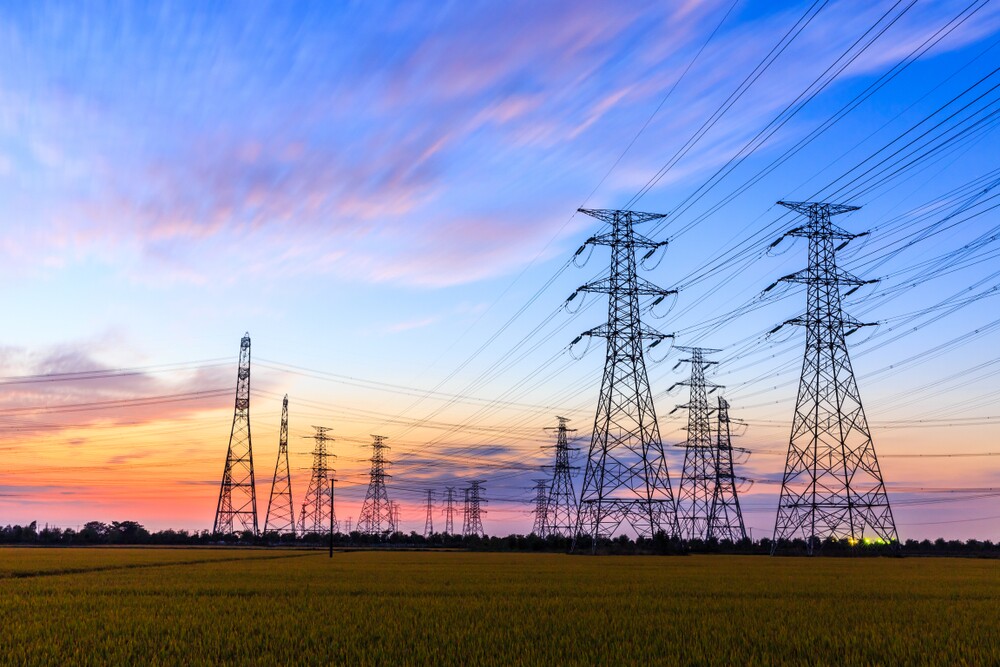
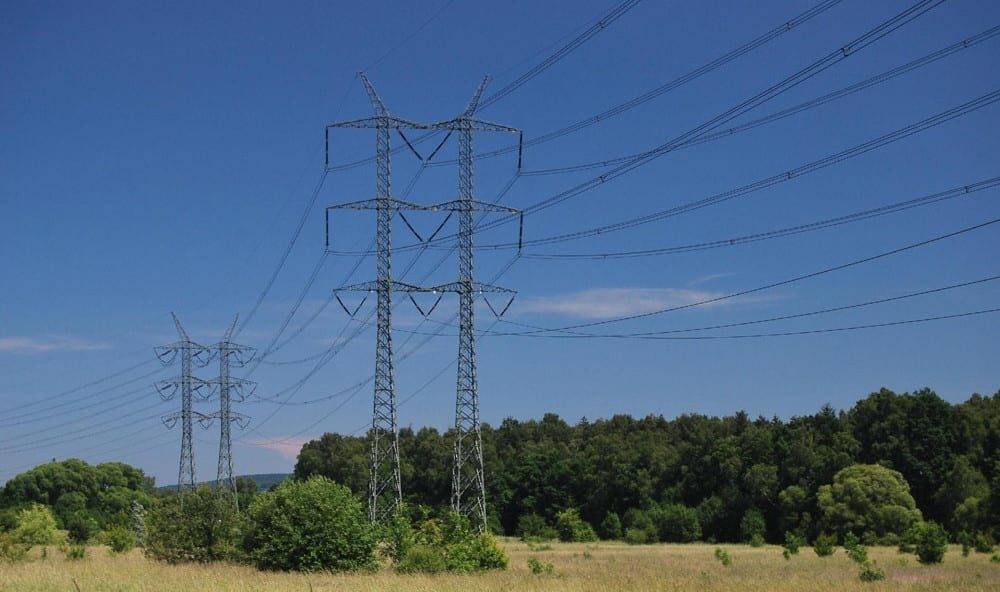
A self supporting tower is a free-standing structure that remains stable without external support cables. Its stability is achieved through its own structural geometry and foundation system.
These towers are typically constructed as:
-
Steel lattice towers
-
Tubular steel monopoles (for telecom applications)
Self supporting towers transfer all loads directly to the foundation, making them highly stable and suitable for demanding environments.
Guyed Towers
A guyed tower relies on guy wires (steel cables) anchored to the ground to maintain stability. The tower mast itself is relatively slender, while the guy system distributes loads over a wider area.
Guyed towers are commonly used where:
-
Very tall structures are required
-
Land availability allows for guy anchor zones
-
Cost optimization is a priority
Structural Strength and Load Capacity
Self Supporting Towers
Self supporting towers are designed to withstand:
-
High wind loads
-
Heavy equipment loads
-
Conductor tension (in transmission applications)
-
Long-term fatigue and environmental stresses
Their rigid structure makes them ideal for high-voltage transmission lines and telecom sites carrying multiple antennas.
Guyed Towers
Guyed towers can reach greater heights with less structural steel, but their load capacity depends heavily on:
-
Guy wire tension
-
Anchor foundation strength
-
Regular maintenance
They are generally not suitable for heavy conductor loads in power transmission systems.
Height and Application Range
Self supporting towers are typically used for:
-
Power transmission towers (HV & EHV)
-
Urban and suburban telecom towers
-
Sites with limited land availability
-
Locations requiring high structural reliability
Guyed towers are commonly used for:
-
Broadcast towers
-
Radio and TV transmission
-
Rural telecom installations
-
Projects requiring extreme height at lower cost
Land Use and Site Requirements
Self Supporting Towers
-
Require a compact footprint
-
Suitable for urban, industrial, and restricted sites
-
Minimal impact on surrounding land
-
Easier to integrate into existing infrastructure
Guyed Towers
-
Require large land areas for guy anchor placement
-
Not suitable for dense urban environments
-
Land access and long-term rights are critical
-
Anchor zones must remain clear for safety reasons
Foundation and Installation Complexity
Self supporting towers require:
-
Strong and often deeper foundations
-
Higher initial civil construction costs
-
Faster erection once foundations are complete
Guyed towers require:
-
Multiple anchor foundations
-
Precise tensioning of guy wires
-
More complex site coordination
-
Ongoing inspection and adjustment
Maintenance and Operational Considerations
Self Supporting Towers
-
Lower maintenance requirements
-
No external support cables
-
Higher long-term reliability
-
Preferred for critical infrastructure
Guyed Towers
-
Regular inspection of guy wires
-
Risk of corrosion or loss of tension
-
Higher long-term operational oversight
-
Greater exposure to accidental damage
Safety and Reliability
From a safety perspective, self supporting towers offer higher redundancy and resilience, especially in harsh environments such as deserts, high winds, or seismic zones.
Guyed towers are structurally efficient but more sensitive to:
-
Anchor failure
-
Guy wire damage
-
Environmental degradation over time
Cost Comparison
| Aspect | Self Supporting Tower | Guyed Tower |
|---|---|---|
| Initial Material Cost | Higher | Lower |
| Land Requirement | Low | High |
| Installation Complexity | Moderate | High |
| Maintenance Cost | Low | Higher |
| Long-Term Reliability | Very High | Moderate |
While guyed towers are initially more economical, self supporting towers often provide better lifecycle cost efficiency for long-term infrastructure projects.
types of telecom towers
Typical Use Cases in Power and Telecom Projects
Self Supporting Towers
-
High-voltage transmission lines
-
Substations and grid interconnections
-
Urban telecom networks
-
Multi-operator antenna installations
Guyed Towers
-
Long-range broadcasting
-
Rural telecom coverage
-
Temporary or low-load installations
Making the Right Choice
The choice between a self supporting tower and a guyed tower depends on:
-
Project purpose
-
Structural load requirements
-
Available land
-
Environmental conditions
-
Long-term operational strategy
Engaging an experienced tower manufacturer and engineering partner ensures that the selected solution meets technical, regulatory, and economic requirements.
global power transmission infrastructure
structural tower design standards