




Efficient telecom tower logistics is a critical factor in the successful deployment of communication infrastructure. Whether for monopole towers, lattice towers, or self-supporting telecom structures, logistics directly impacts project timelines, costs, and overall execution quality.
From manufacturing facilities to remote installation sites, telecom towers must be transported, handled, and assembled with precision. This article provides a comprehensive overview of telecom tower logistics, including planning, transportation, site handling, challenges, and optimization strategies.
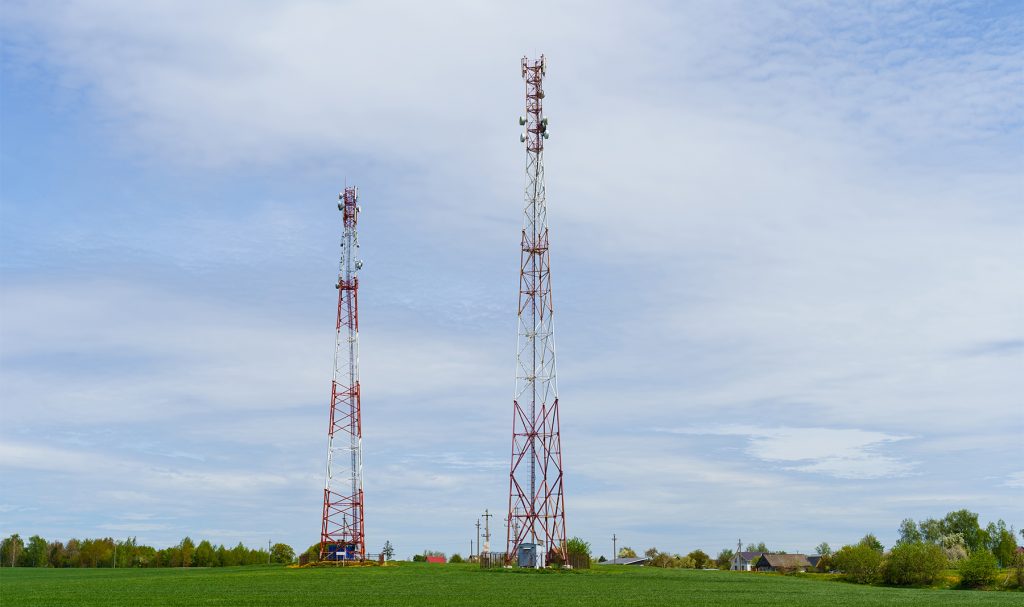
types of telecom towers
What Is Telecom Tower Logistics?
Telecom tower logistics refers to the planning, coordination, transportation, and installation processes involved in delivering tower components from the factory to the final deployment site.
It includes:
-
Packaging and segmentation of tower parts
-
Transportation via road, sea, or multimodal logistics
-
Site delivery and handling
-
Coordination with installation teams
-
Equipment and crane management
Efficient logistics ensures that towers are delivered safely, on time, and ready for assembly.
Importance of Telecom Tower Logistics
In telecom infrastructure projects, logistics is not just a support function—it is a core operational component.
Key benefits include:
-
Reduced project delays
-
Lower transportation and installation costs
-
Prevention of material damage
-
Improved safety during handling and lifting
-
Better coordination between stakeholders
Poor logistics planning can lead to cost overruns, installation delays, and structural risks.
Planning and Coordination
Successful telecom tower logistics begins with detailed planning:
Project Scheduling
Align tower production, transportation, and installation timelines to avoid bottlenecks.
Route Survey and Feasibility
Evaluate roads, bridges, and access routes—especially for oversized loads.
Packaging Strategy
Tower components are divided into segments for efficient transport while ensuring protection against damage.
Permit Management
Secure necessary permissions for heavy or oversized transport, especially in urban or cross-border projects.
Transportation of Telecom Towers
Transportation methods depend on tower type, size, and destination:
Monopole Towers
-
Transported in tubular sections
-
Require fewer shipments
-
Easier to handle in urban areas
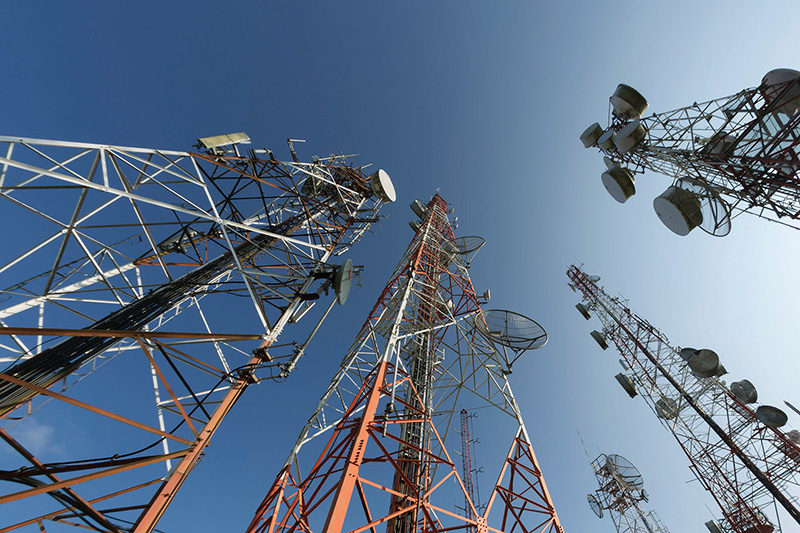
Lattice Towers
-
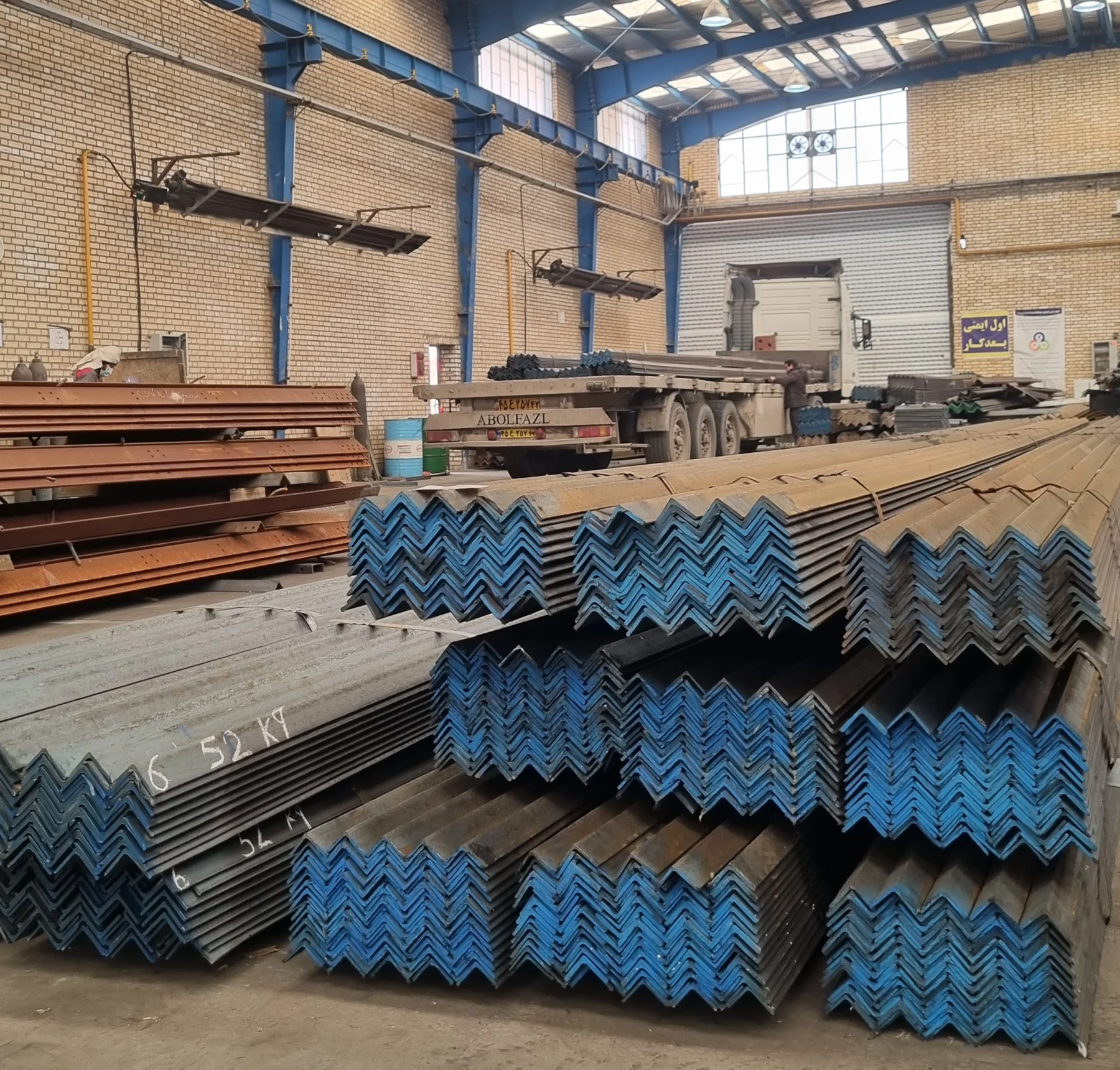
Delivered in multiple steel members
-
Require organized packing and labeling
-
Suitable for long-distance and rural transport
Key Transportation Considerations
-
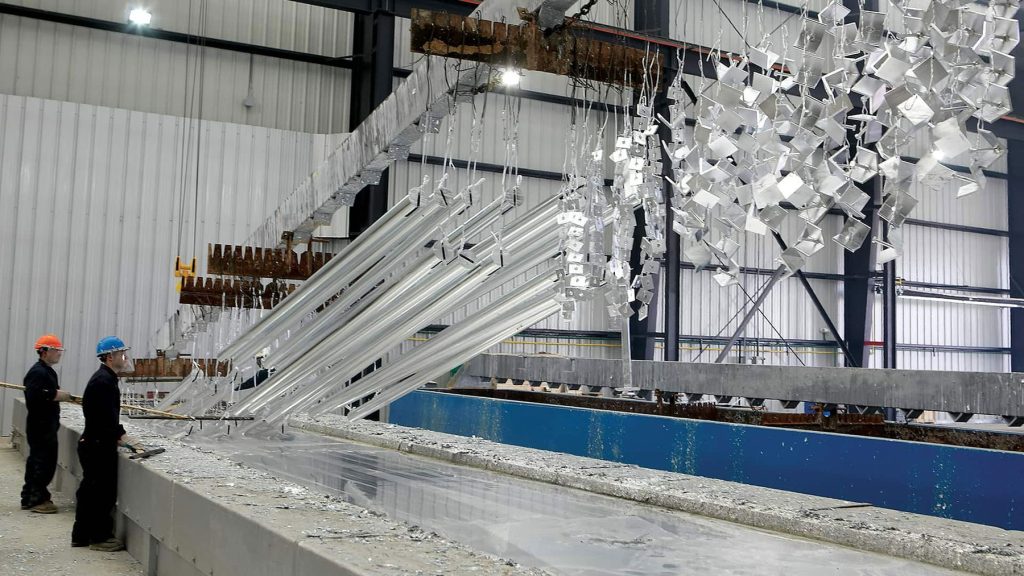
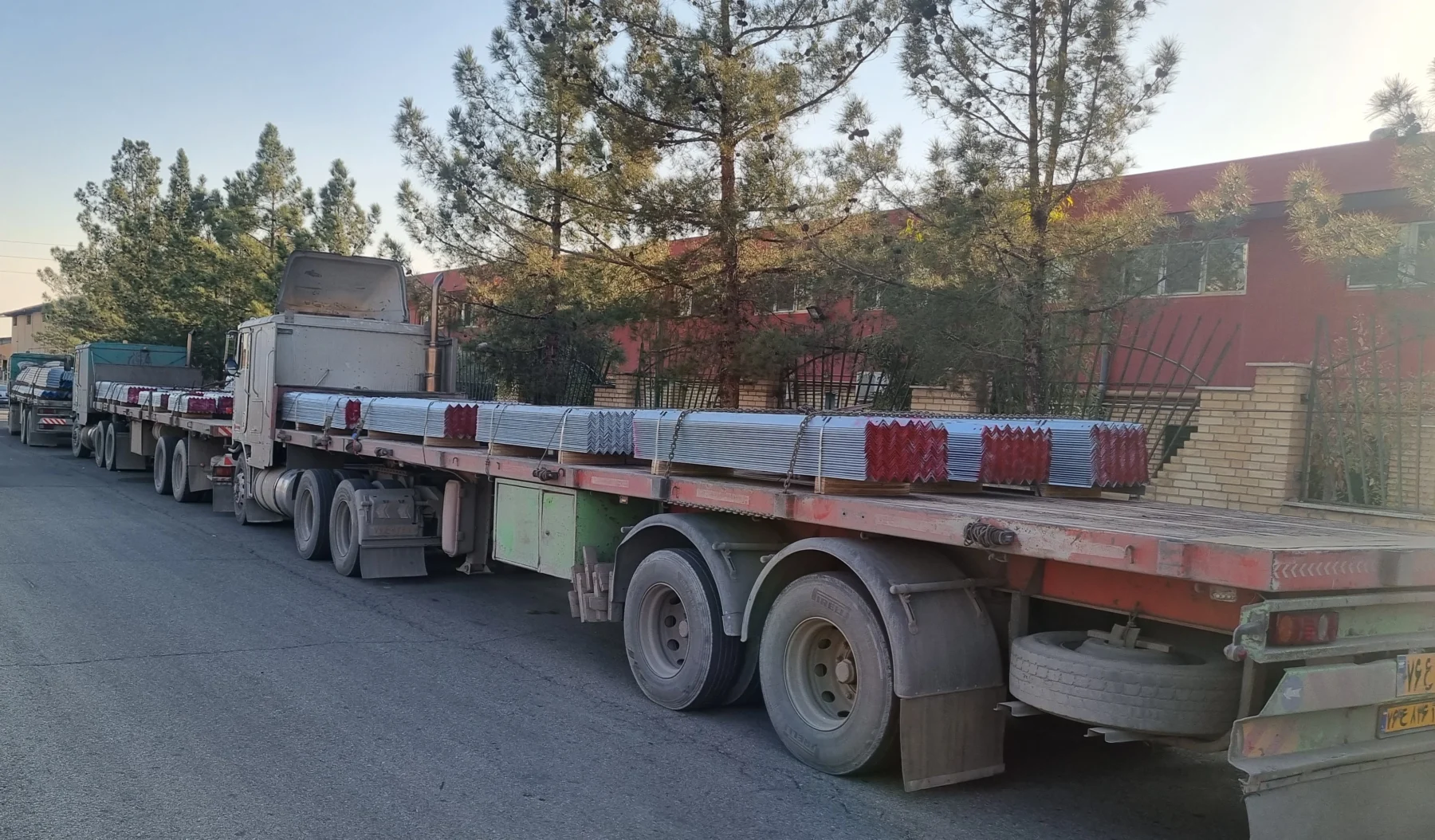
Protection of galvanized steel surfaces
-
Securing components to prevent movement
-
Use of flatbed or extendable trailers
-
Coordination for international shipping
Site Handling and Storage
Once tower components arrive on-site, proper handling is essential:
-
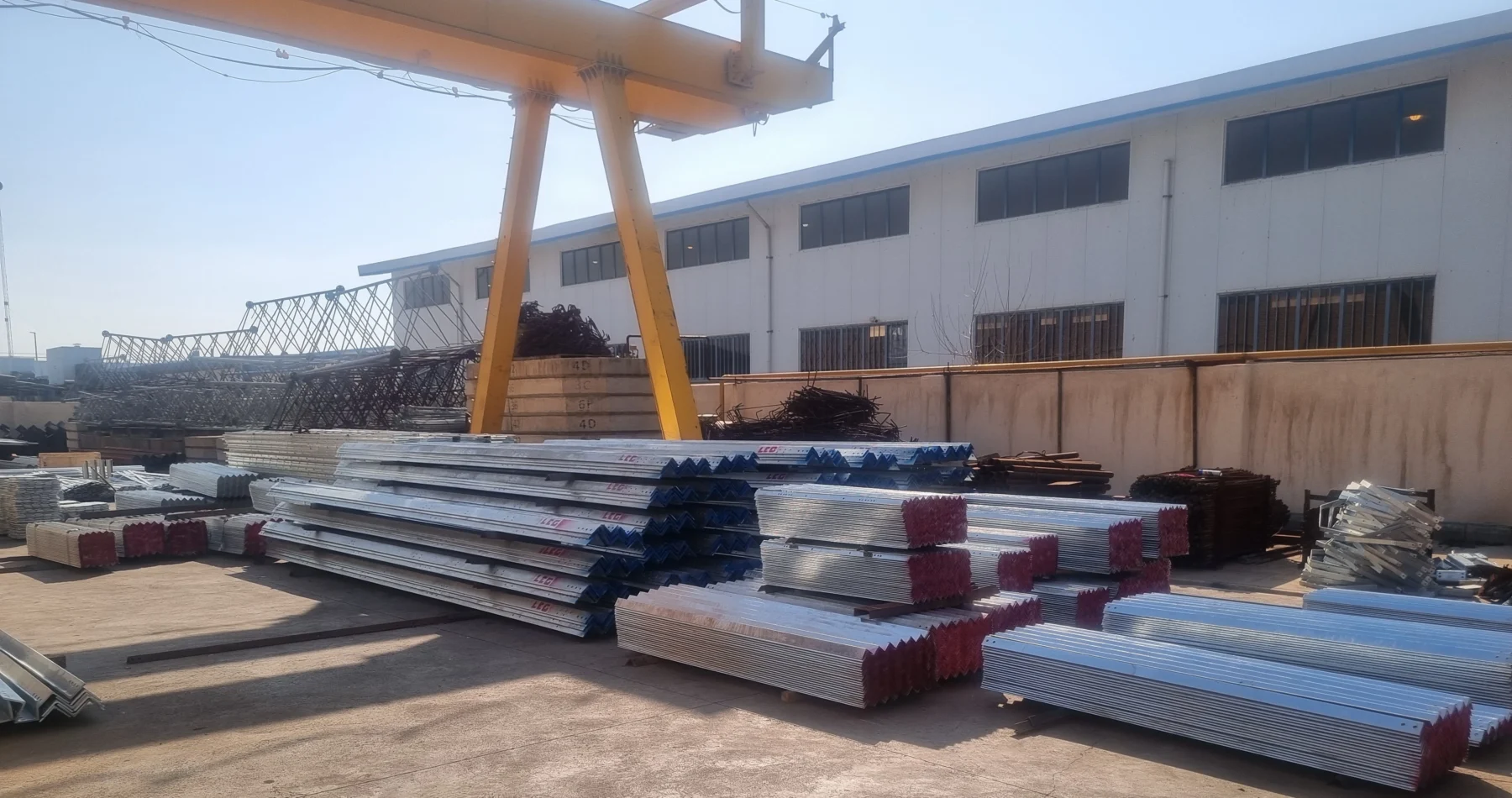
Use of cranes and lifting equipment
-
Organized stacking of components
-
Protection from moisture, corrosion, and mechanical damage
-
Pre-assembly inspection of parts
Well-managed site logistics ensures faster and safer installation.
Installation and Assembly
Telecom tower installation is closely tied to logistics efficiency:
-
Monopole towers are assembled using cranes or hydraulic systems
-
Lattice towers require step-by-step assembly of steel members
-
Bolt tightening and alignment must follow engineering specifications
-
Final inspection ensures structural integrity and compliance
Efficient logistics reduces installation time and improves safety.
Challenges in Telecom Tower Logistics
Telecom tower logistics involves several challenges:
1. Remote and Difficult Terrain
Many telecom towers are installed in mountainous or rural areas with limited access.
2. Oversized Components
Large tower sections require special transport permits and escort vehicles.
3. Weather Conditions
Rain, wind, and extreme temperatures can delay transport and installation.
4. Coordination Complexity
Multiple stakeholders—manufacturers, transporters, and contractors—must stay aligned.
5. Safety Risks
Handling heavy steel components requires strict safety procedures.
Optimizing Telecom Tower Logistics
To improve efficiency, companies focus on:
-
Modular tower design for easier transport
-
Advanced planning and scheduling tools
-
Experienced logistics partners
-
Standardized packaging methods
-
Real-time tracking of shipments
Optimization leads to faster deployment, reduced costs, and improved project outcomes.
Applications of Telecom Tower Logistics
Efficient logistics supports a wide range of telecom projects:
-
4G and 5G network expansion
-
Rural connectivity infrastructure
-
Smart city communication systems
-
Industrial and private telecom networks
-
Cross-border telecom projects
Conclusion
Telecom tower logistics is a vital component of modern communication infrastructure. From manufacturing and packaging to transportation and installation, every step must be carefully planned and executed.
Efficient logistics ensures that telecom towers are delivered safely, installed quickly, and perform reliably over time. For telecom operators, EPC contractors, and infrastructure developers, investing in optimized logistics is essential for successful project delivery.