


Introduction
The Middle East is experiencing a rapid transformation in its telecommunication landscape. Driven by massive 5G deployment, increasing mobile penetration, broadband expansion, and the growth of IoT networks, the region’s demand for robust, high-quality telecommunication towers is higher than ever.
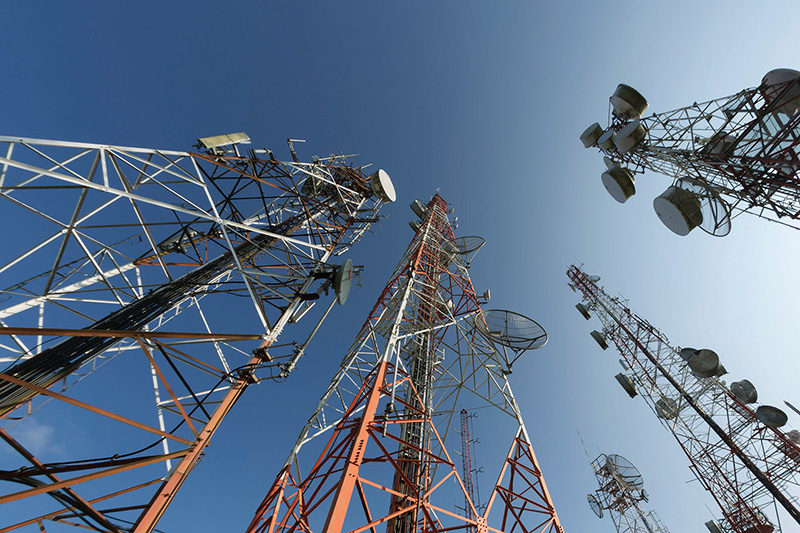
Telecom towers serve as the backbone of wireless communication infrastructure. They support antennas, microwave dishes, and other equipment critical for delivering reliable mobile, broadband, and broadcast services. Selecting the right telecom tower manufacturer in the Middle East is therefore essential for utilities, mobile network operators, EPC contractors, and government infrastructure planners.
A qualified manufacturer not only supplies steel structures but also provides custom engineering solutions, precision fabrication, compliance with international standards, and regional expertise, ensuring that towers perform efficiently under harsh environmental conditions.
Growing Demand for Telecom Towers in the Middle East
The telecommunications sector in the Middle East is expanding at an unprecedented pace. Several factors are driving the growing demand for telecom towers:
-
5G Network Expansion: As countries roll out 5G, towers must accommodate multiple antennas, higher loads, and greater height to optimize coverage and signal strength.
-
Urban and Suburban Coverage: Dense cities and new urban developments require self-supporting and monopole towers with compact footprints.
-
Rural Connectivity: Remote areas demand tall, cost-effective structures to ensure broadband access and bridge the digital divide.
-
Multi-Operator Installations: Shared tower solutions reduce CAPEX and optimize land usage, increasing demand for versatile tower designs.
-
Broadband and IoT Networks: Fixed wireless access, IoT sensors, and smart city applications require robust towers capable of carrying specialized equipment.
These trends have created a competitive market for manufacturers capable of producing a wide range of telecom tower types with consistent quality, rapid delivery, and long-term reliability.
Types of Telecom Towers
A regional telecom tower manufacturer typically offers the following tower types:
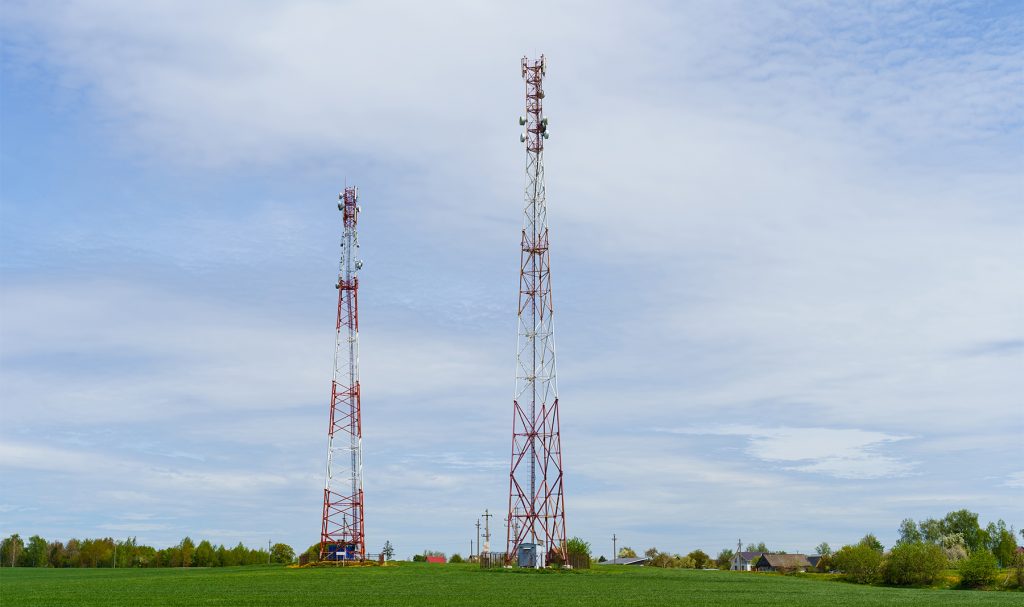
Self-Supporting Towers
-
Free-standing lattice or monopole structures
-
Designed for urban or suburban sites with limited space
-
Provide high reliability for multi-operator antenna installations
-
Suitable for both mobile and broadband networks
Guyed Towers
-
Supported by guy wires anchored to the ground
-
Ideal for very tall rural, broadcast, or specialized telecom towers
-
Offer cost efficiency at extreme heights
-
Require larger land footprint and careful site planning
Monopoles
-
Sleek tubular steel towers
-
Suitable for urban sites with aesthetic and space considerations
-
Fast installation and low maintenance
-
Can host multiple antennas while occupying minimal land area
Rooftop and Camouflaged Towers
-
Installed on building rooftops or disguised as urban elements
-
Allow operators to maintain city aesthetics
-
Used for densely populated areas where ground-based towers are impractical
Types of Telecom Towers
Engineering and Manufacturing Capabilities
A professional telecom tower manufacturer in the Middle East must provide:
Advanced Structural Engineering
Towers are engineered for:
-
Local wind and seismic conditions
-
Load-bearing capacity for antennas, microwave dishes, and other equipment
-
Long-term durability under extreme temperature fluctuations, sandstorms, or coastal humidity
Precision Fabrication
Modern manufacturing processes ensure:
-
CNC cutting and welding
-
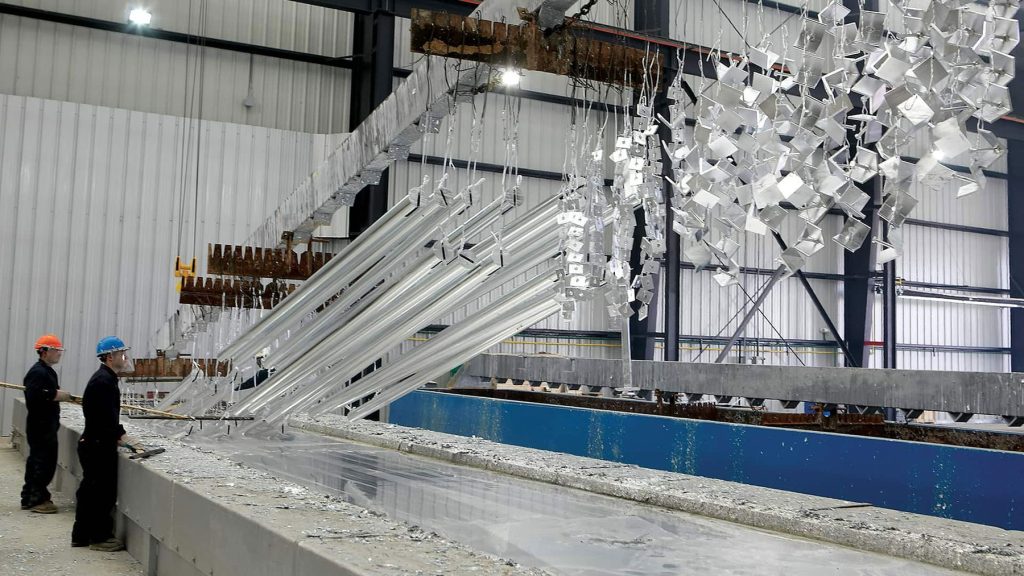
Hot-dip galvanization for corrosion protection
-
Dimensional accuracy for easy installation and minimal site adjustments
Compliance with International and Regional Standards
-
IEC standards for structural integrity and safety
-
ISO quality management systems
-
Local telecom authority regulations and permitting requirements
Custom Solutions and Export Capability
-
Tailored tower heights, cross-arm configurations, and foundation designs
-
Export packaging and logistics for regional projects
-
Technical support for site installation and long-term maintenance
Advantages of Partnering with a Regional Manufacturer
Working with a Middle East-based telecom tower manufacturer provides distinct benefits:
-
Shorter lead times and reduced shipping complexity
-
Familiarity with local regulations and zoning laws
-
Cost-effective solutions compared to distant suppliers
-
Proximity to major telecom infrastructure projects, enabling faster technical support
Turkey and neighboring countries have emerged as strategic manufacturing hubs, supplying high-quality towers across the Middle East and surrounding regions.
Towerist as a Telecom Tower Manufacturer in the Middle East
Towerist is a leading telecom tower manufacturer, delivering a wide portfolio of:
-
Steel lattice towers
-
Guyed towers
-
Self-supporting monopoles
-
Rooftop and camouflaged towers
With proven export experience to countries such as Iraq, Afghanistan, Armenia, and Iran, Towerist combines engineering excellence, strict quality control, and regional knowledge to deliver towers that meet international standards and operational requirements.
Our towers are designed to withstand harsh environments, carry multiple operators’ equipment, and provide reliable service over decades.
Applications of Telecom Towers
Telecom towers manufactured by Towerist are used for:
-
Mobile networks: 2G, 3G, 4G, and 5G coverage
-
Broadband wireless access and IoT deployment
-
Broadcasting: radio, TV, and media transmission
-
Multi-operator tower sharing to reduce costs and optimize land use
structural tower design standards
global power transmission infrastructure