




Telecommunication networks form the backbone of modern connectivity, supporting mobile communication, data transmission, broadcasting, and emerging technologies such as 5G. At the core of these networks are tower structures designed to carry antennas, microwave dishes, and transmission equipment. Understanding the different types of telecom towers is essential for telecom operators, EPC contractors, and infrastructure developers seeking reliable and scalable network solutions.
Each tower type offers specific structural advantages based on location, load requirements, environmental conditions, and regulatory constraints.
1. Lattice Telecom Towers
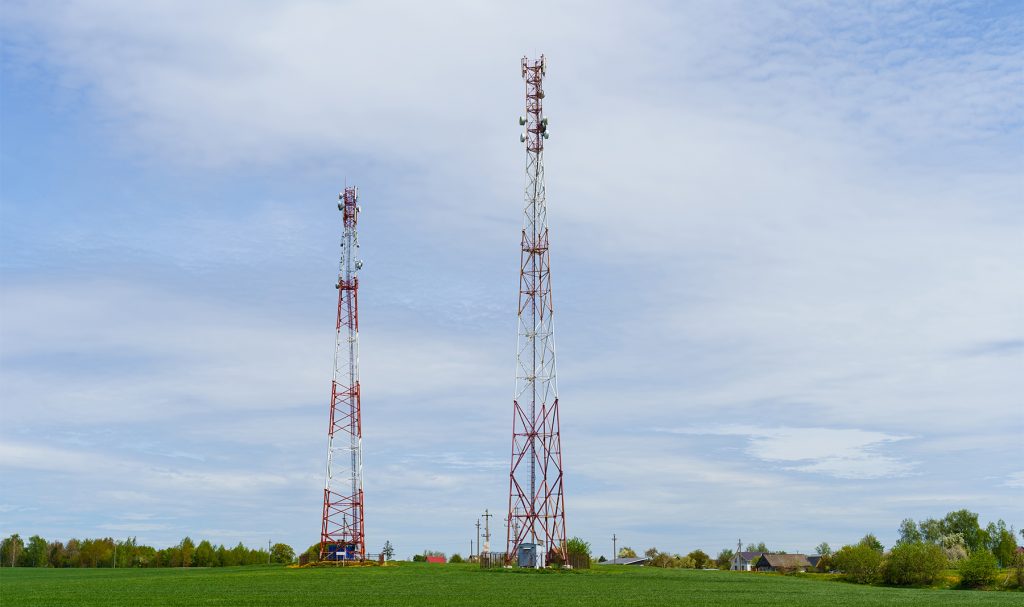
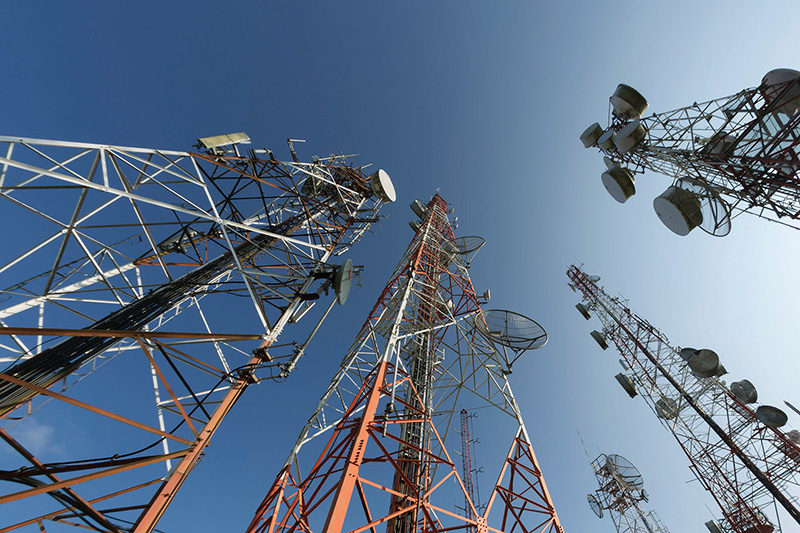
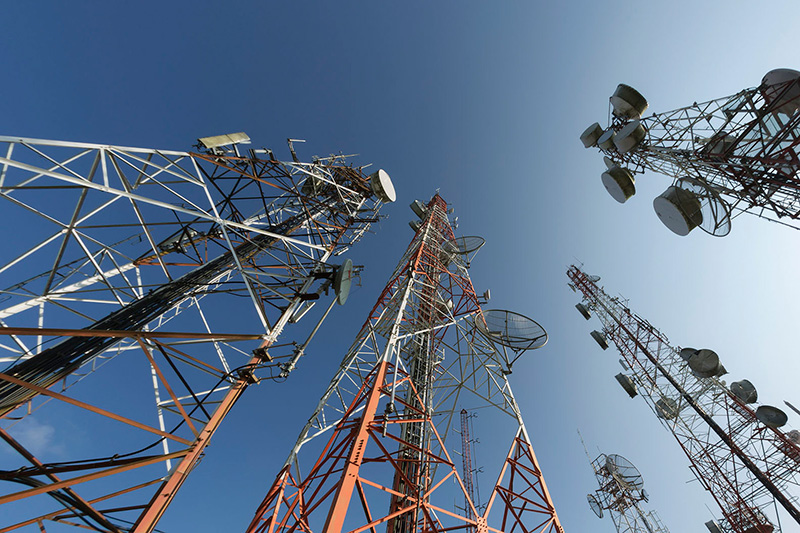
Lattice telecom towers are self-supporting structures fabricated from steel angle sections arranged in a triangular or square configuration. They are widely used due to their structural efficiency and adaptability.
Key Characteristics
-
High structural strength and load-bearing capacity
-
Suitable for tall installations and heavy antenna loads
-
Efficient material usage for large heights
Typical Applications
Lattice towers are commonly used in rural and semi-urban areas, long-distance microwave links, and multi-operator telecom sites where future expansion is anticipated.
2. Monopole Telecom Towers
Monopole towers are single-shaft tubular steel structures designed to minimize space usage while maintaining sufficient height and load capacity.
Key Characteristics
-
Small footprint and modern appearance
-
Ideal for urban and high-density locations
-
Faster installation and reduced foundation size
Typical Applications
Monopole telecom towers are widely used in city centers, residential zones, and rooftop installations, especially for 4G and 5G network densification.
3. Guyed Telecom Towers
Guyed towers are slender structures supported by tensioned steel guy wires anchored to the ground.
Key Characteristics
-
Lightweight and cost-effective design
-
Lower steel consumption compared to self-supporting towers
-
Requires a large installation area for guy wire anchoring
Typical Applications
Guyed towers are suitable for rural environments, broadcasting stations, and temporary or low-traffic telecom installations.
4. Rooftop Telecom Towers
Rooftop telecom towers are installed on existing buildings to extend network coverage without constructing ground-based structures.
Key Characteristics
-
Efficient utilization of existing infrastructure
-
Reduced site acquisition and construction costs
-
Customized design based on building load capacity
Typical Applications
Rooftop towers are commonly used in metropolitan areas to improve coverage and capacity where land availability is limited.
5. Camouflaged (Stealth) Telecom Towers
Camouflaged telecom towers are specially designed to blend into their surroundings, addressing aesthetic and regulatory concerns.
Key Characteristics
-
Visual integration with the environment
-
Compliance with urban planning and zoning requirements
-
Custom architectural and structural solutions
Typical Applications
Stealth towers are deployed in residential neighborhoods, historical areas, and environmentally sensitive locations.
Engineering Considerations for Telecom Towers
Selecting the appropriate type of telecom tower requires evaluation of several technical factors:
-
Wind and seismic load conditions
-
Antenna type, quantity, and orientation
-
Future expansion requirements
-
Local regulations and zoning restrictions
Professional engineering and structural analysis ensure optimal performance and long-term reliability.
Telecom Towers and Network Evolution
With the global rollout of 5G and future communication technologies, telecom tower designs continue to evolve. Modern towers must support higher equipment density, increased wind loads, and more complex antenna configurations while maintaining structural safety and cost efficiency.
Conclusion
Understanding the various types of telecom towers enables network planners and infrastructure developers to select structures that align with technical requirements, site conditions, and long-term network objectives. From lattice and monopole towers to rooftop and camouflaged solutions, each tower type plays a critical role in building robust communication networks.
For detailed information on our telecom tower manufacturing capabilities, visit our Telecommunication Towers page or contact our team for technical consultation.
What are the main types of telecom towers?
The main types of telecom towers include lattice towers, monopole towers, guyed towers, rooftop towers, and camouflaged telecom towers. Each type is designed for specific load, space, and environmental requirements.
What is the difference between lattice and monopole telecom towers?
Lattice towers offer higher load capacity and are suitable for tall, multi-operator installations, while monopole towers have a smaller footprint and are commonly used in urban and residential areas.
Which telecom tower is best for urban areas?
Monopole and rooftop telecom towers are typically preferred in urban areas due to their compact design, aesthetic appearance, and minimal land requirements.
Are telecom towers customized for each project?
Yes, telecom towers are engineered based on site conditions, wind and seismic loads, antenna configuration, and local regulations to ensure safety and optimal performance.
Why are camouflaged telecom towers used?
Camouflaged telecom towers are used in areas with strict visual or environmental regulations, such as residential zones or historical locations, to blend with the surroundings.